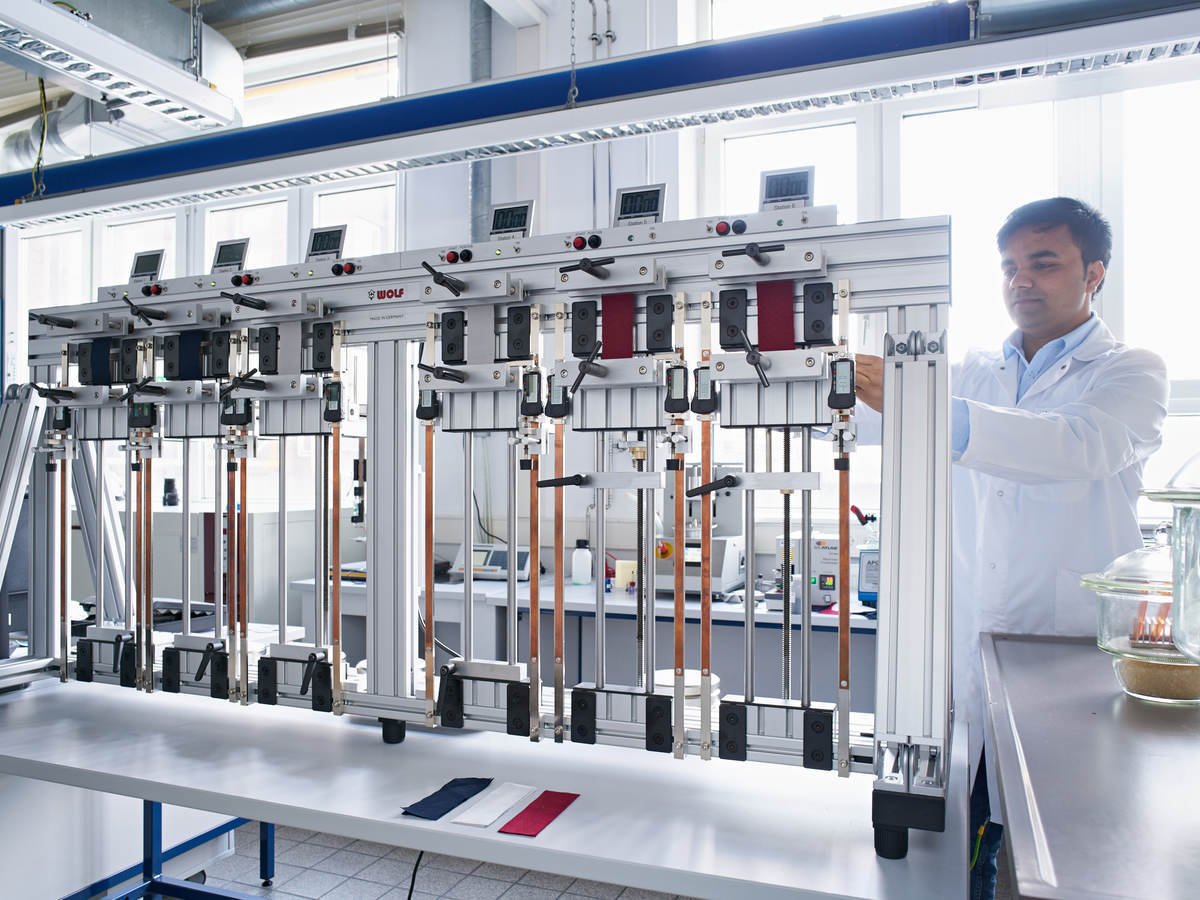
The textile industry itself is very competitive and requires good quality products to further meet what customers need. We are seeing that checking quality is only needed to make sure products are good and have no problems.
Fabric testing is essential in textile industry and helps identify fabric issues to ensure it meets required standards. Further, this process itself ensures quality control and proper fabric performance. We are seeing different types of Garment Testing that are used only for checking quality in textile industry. These tests help to control the quality of fabrics.
Table of Contents
Fiber Identification

Fiber identification is actually the first step when testing fabrics and it helps find out what type of fiber is used. This test is definitely important because different fibers have different properties that affect how the final fabric will work. Basically, the most common ways to detect fiber are the same three methods – combustion tests, microscopy tests, and chemical tests.
Fabric Weight
Fabric weight surely indicates how much material is present in a specific area. Moreover, this measurement helps determine the density and thickness of the textile. We are seeing that fabric weight affects how it feels and how long it lasts, and we measure this only in grams per square meter which is called GSM. This test actually helps make fabric weight the same everywhere, which is definitely important when making clothes.
Thread number
Thread number surely indicates how thick or fine a thread is by measuring its weight for each unit of length. Moreover, this measurement helps determine the thread’s quality and strength. This test actually helps find how thick and strong the fabric is. It definitely makes the fabric quality uniform.
Tensile strength shows how much force is needed to break the fabric itself. This measurement further indicates the fabric’s strength and how long it will last. This test is important to check how well the fabric can resist damage, and we are seeing that it only helps make sure the fabric is good for its proper use.
Tear Strength
Tear Strength is a measure of the fabric’s resistance to tearing and is an important factor in determining the fabric. Basically, this test checks if the fabric can handle daily wear and tear, and it helps find the same fabric problems that might happen later.
Pitting Resistance
Pilling actually creates small balls on fabric that definitely makes clothes look old and used. The pilling test actually checks how well fabric can resist those small balls that form on clothes. This test definitely helps fabric keep looking good for a long time.
Color Fastness
Color Fastness measures how well a fabric keeps its color when exposed to light, washing, or sweat. The fabric itself should not fade further under these conditions. This test is important so the fabric itself does not lose color or fade further over time.
Shrinkage
The tensile test is important for checking fabric shrinkage as per washing or heat exposure. This test helps regarding the fabric’s tendency to shrink after treatment. We are seeing that this test only helps the cloth to keep its proper length and not become smaller than the fixed limit.
Ring Test
Ring Test basically checks if fabric looks the same after being exposed to different conditions. Basically, this test checks that fabrics keep the same shape, feel and look over time.
Fabric testing itself is essential in textile industry to ensure products meet required standards further helping maintain quality.
We are seeing that different tests like fiber check, weight, yarn count, pulling strength, tearing strength, pilling resistance, color fastness, shrinkage and so on are only important to make sure the fabric is suitable for its original use. Manufacturers can surely build customer trust by focusing on quality assurance and following regulations. Moreover, this approach clearly shows their dedication to delivering good products.