
There’s nothing more soothing than cuddling under a warm blanket and drinking a steaming cup of tea while you’re taking it easy when you are sick. The days get colder and colder, and sore throats, coughs, colds, nasal congestion, and body aches are common issues during the winter season, so hydration and treating your symptoms will be even more critical. Teas and herbal tea blends have a soothing, warming scent, ease throat discomfort, and care for your throat.
A cup of hot tea has long been used as a time-tested remedy for sore throat and for generations has been cherished not just for its soothing properties, but for its natural antiviral effect too. Warm tea can improve inflammation, relieve a sore throat, and make you feel well, both in the battle with the symptoms of the season and just for comfort. In this guide, we’ll explore 14 of the best tea for a sore throat, highlighting their unique benefits and why they are popular remedies for soothing discomfort naturally.
Table of Contents
Best Tea for Sore Throat
1. Peppermint Tea
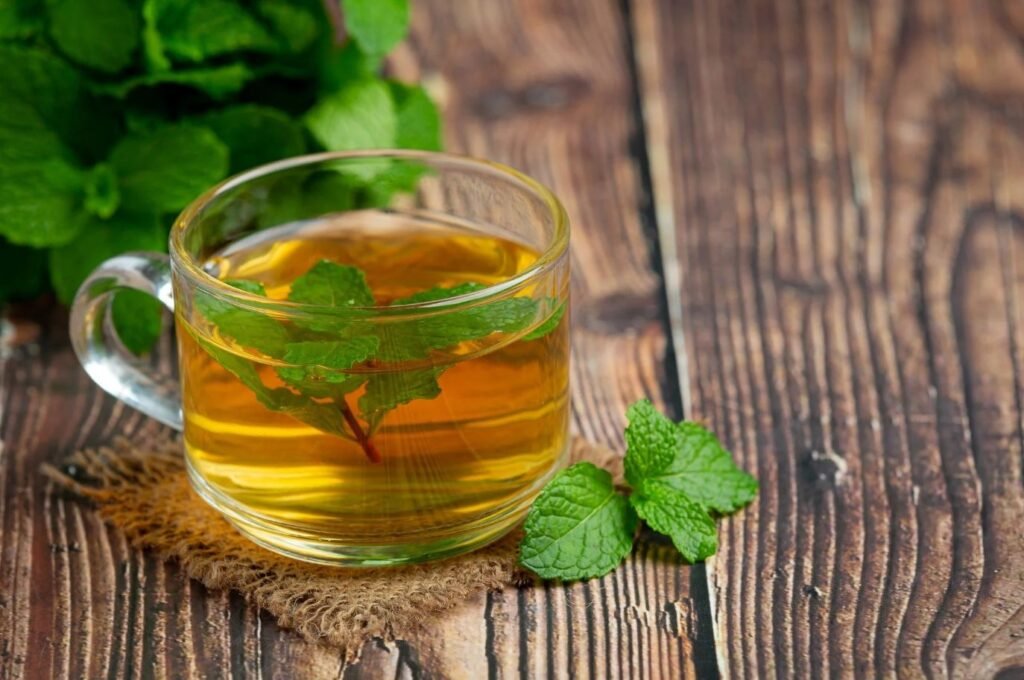
Peppermint leaf tastes like the type of peppermint candies you know! The menthol aspect helps to ease the throat and may help to open up the airways. Peppermint tea is used to help alleviate symptoms of a sore throat, reduce symptoms of irritation, and ease breathing. Peppermint tea isn’t as well-known as it is for sore throat, but peppermint tea contains menthol that may provide a sort of cooling effect to aid in easing the pain of a sore throat.
It is also antibacterial and antiviral, and can aid you in preventing infections. For aching muscles, the easiest and most popular way to enjoy peppermint tea is to boil some fresh peppermint leaves in hot water and enjoy. Refreshing, easy and calming drink for the throat to help soothe throat irritation.
2. Thyme tea
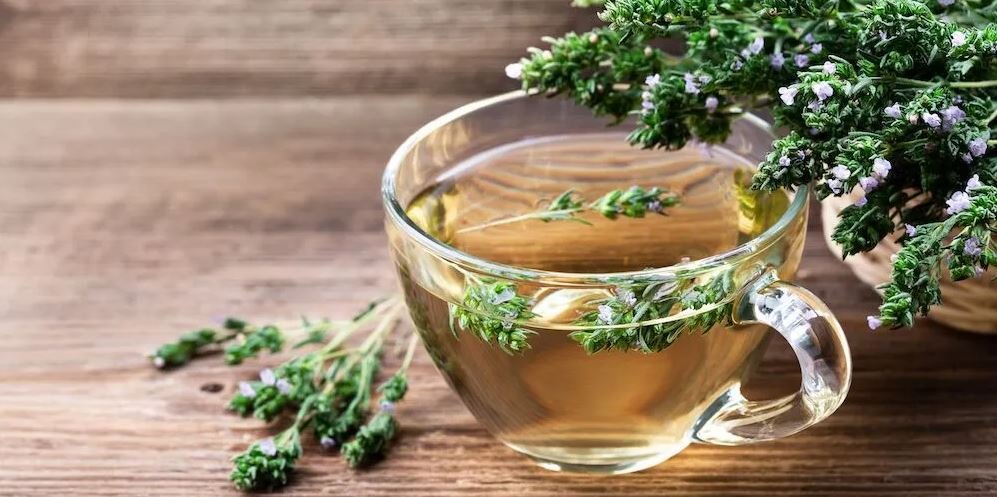
Thyme is a wonderful medicinal herb, anti-viral, anti-inflammatory and antibacterial. It is used for centuries in traditional folk medicine with regard to respiratory system care and general wellness. Thyme, used as an infusion, acts as a rubefacient, antiirritative and antipruritic for the throat, as an antispasmodic in coughs, and as an expectorant on the bronchi, by dissolving the mucus clogging in the air passages. It’s also known to boost the immune system, so that the body can protect itself from common infections. The healthy addition of thyme in a natural way can enrich the harvesting of the plants, with indoor comforting and immune-enhancing effects throughout the year, where its plant ingredients and antioxidants are exceptionally high.
3. Ginger Tea
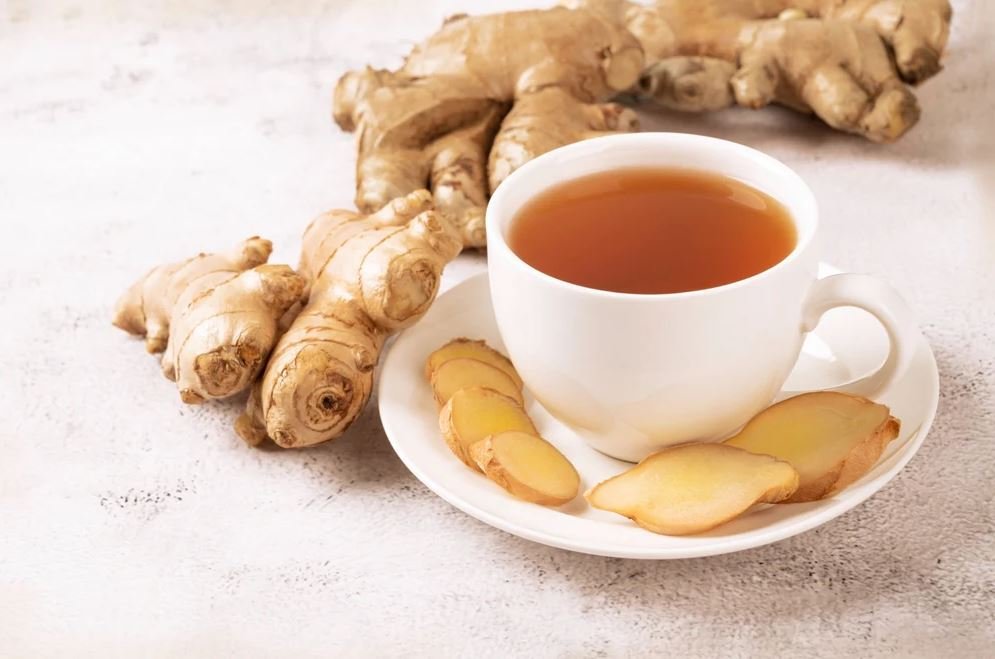
Ginger tea is among the top of the berries that could be the best friend to alleviate the pain of a sore throat. Ginger is packed with all useful anti-inflammatory and antioxidant properties and reduces throat pain and inflammation. Lemon, ginger root and honey are two of the many popular home remedies to treat the common cold, consisting of soothing a sore throat and cough. Ginger can help reduce body heat, thereby decreasing body temperature, which helps to reduce fever. A refreshing ginger root, lemon juice and honey beverage energised with water makes for a delicious common cold blooder tot.
Do not provide excess fresh ghee, as an excess amount may lead to some side effects such as diarrhoea and irritation. If using ginger slices, soak them in water for 10 minutes before preparing tea. Honey blends with added honey has a soothing effect and a better taste. Ginger tea is one of the best tea for sore throat. It’s also anti-inflammatory and an antioxidant agent that helps minimise swelling of the throat, ease throat irritation and strengthen the immune system.
4. Chamomile Tea
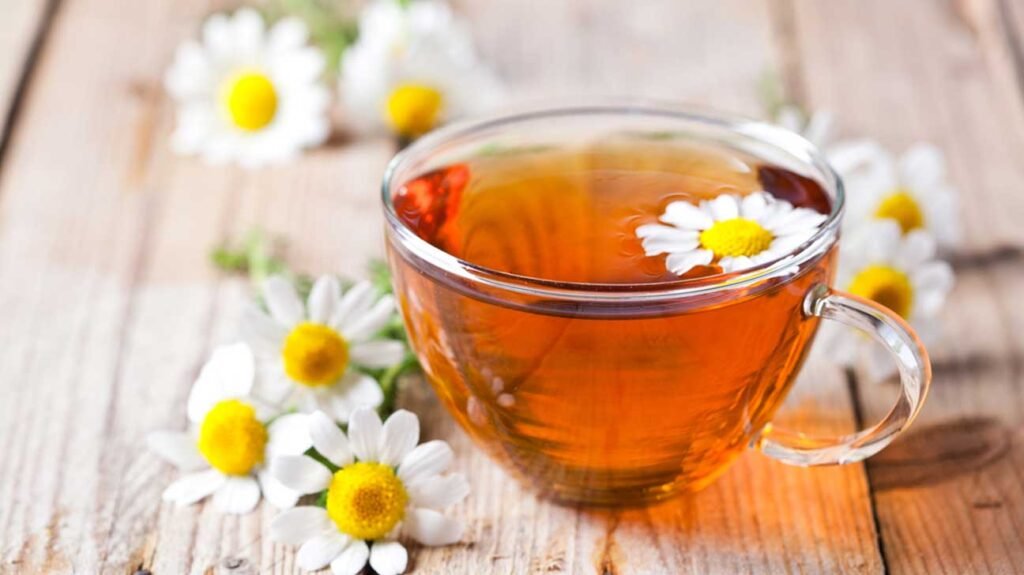
Chamomile tea is a popular and well-known tea and is known for its calming effects and its health benefits for the respiratory system. Inhaling hot chamomile infusion is still one of the most popular way of treating respiratory problems related to the common cold. You don’t need to drink the tea, but it’s good to make a cup and drink it – it eases the throat, too, according to science.
To reduce the “inflammation of the mucous membranes of the mouth and throat, the infusion should be used for gargling instead. A soothing essence that’s also a wonder for scratchy throats, chamomile is often used to calm. Chamomile tea is also anti-inflammatory and can alleviate the pain and redness of a sore throat. From the obvious, it’s caffeine-free – so you can drink it throughout the day. It can help you get a better night’s sleep, making it a perfect tea for the end of the day, when feeling ill.
5. Honey and Lemon Tea

Honey and lemon that are added to warm water and/or herbal tea can be very calming, although this is not a tea per se. The honey will coat the throat, soothing and providing relief from throat irritation and the lemon will add a revitalising and healthful boost. Wash mouth after both – they both contain sugars and acids in them that may be detrimental to teeth. To prepare, combine fresh lemon juice with honey in warm water or to any tea of your liking. This mixture will clear up a sore throat and help to calm and heal it.
6. Tulsi Tea for Sore Throat
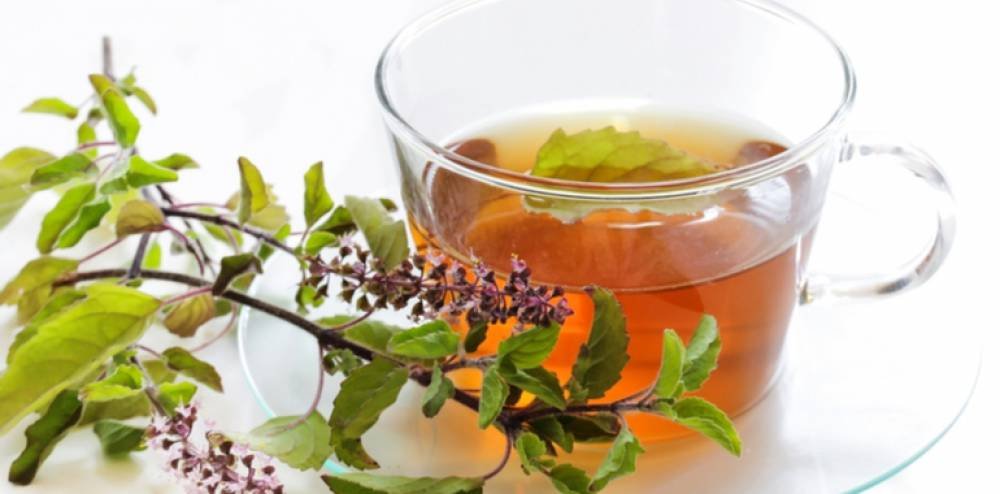
Holy basil or tulsi is used for thousands of years in Ayurvedic medicine because of its healing properties. The soothing appeal of tulsi tea may keep irritation to a minimum and make you feel better when suffering from a sore throat. 2-3 fresh tulsi leaves are required to boil them in water for 5-7 minutes. Then, strain it and sip the warm liquid, plus some honey if you have a cold or flu. This can be beneficial when eaten regularly at the end of one season and the beginning of another, as it is effective in boosting immunity and relieving some discomfort.
7. Licorice Root Tea
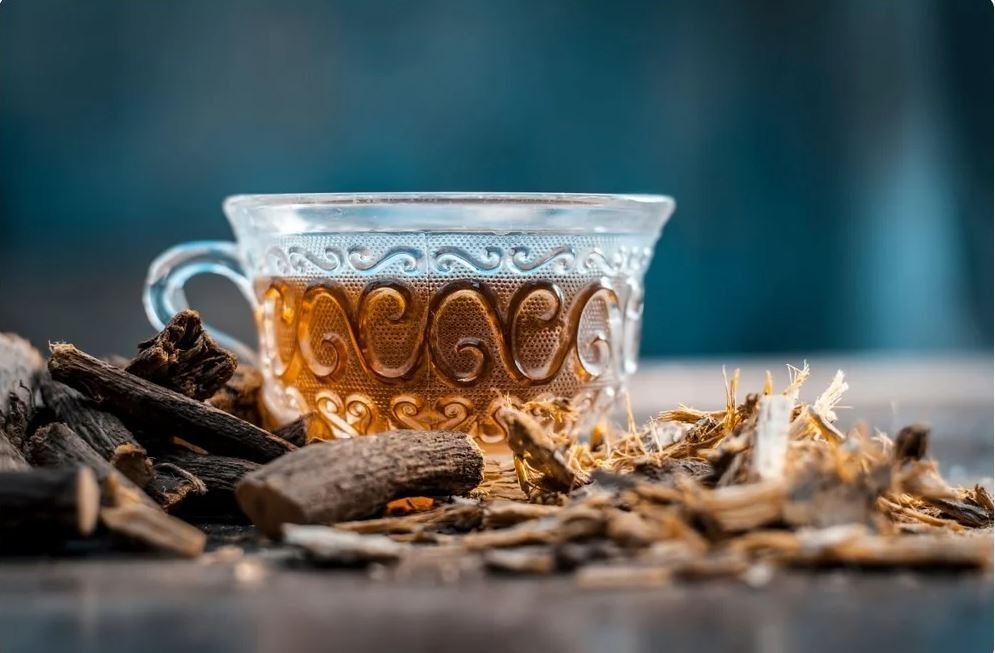
Licorice root tea is an herbal tea using the root of the Licorice plant. Liquorice tea can help eliminate symptoms of the cold and flu by targeting the viruses and bacteria that cause the illness, to begin with. The herb is actually a hundred-year-old treatment used in Chinese medicine, and it is packed with over 300 flavonoids, which are advantageous for general well-being.
According to our research, it was discovered that the licorice tea has anti-inflammatory properties and also antibacterial powers that help to kill viral cells, leading to its destruction. Bring to a boil, reduce to a rolling boil and add 2 tsp dried liquorice root tea for each 8 oz of water. Steep 5 minutes before serving, in a teacup. For an added vitamin C dose and immunity, lemon juice should be used as well. The tea from liquorice root can also be used as a “warm salt water” gargle that provides lice with pleasure. Simply pour in tea concentrate, cooled slightly, and gargle for 30 seconds.
8. Slippery Elm Tea
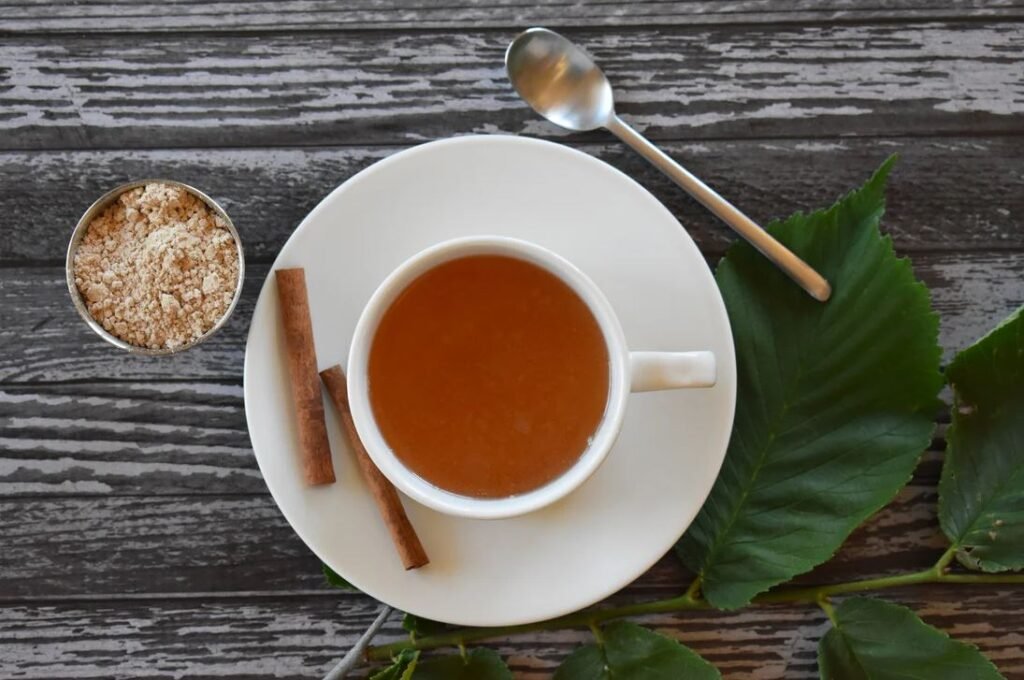
Slippery Elm has a gel as well so it helps to keep you upright if you slip. Heals and repairs damaged tissue. That’s the best tea for sore throat. It is a natural herb that has been used as a natural remedy for centuries and is called slippery elm. Contains a material called mucilage that turns into a substance that is jelly-like when added to water. The tea of slippery elm can help to “coat the throat” and has a soothing effect in the throat.
9. Honey tea
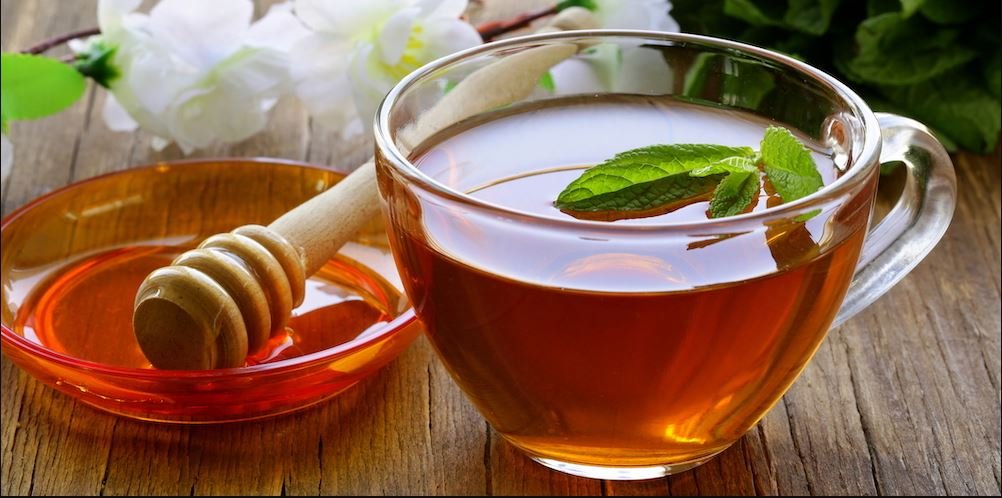
Honey tea is a natural remedy that is usually prepared by adding raw manuka to some warm water to alleviate cough and cold symptoms. It can relieve throat discomfort and make it easier to swallow, as well as calm down the irritation in the throat. According to Research, raw honey may help suppress one’s cough and lead to reduced mucous production in the throat. Furthermore, some honey might help prevent mucus from sticking, relieve throat discomfort, and lessen cough severity and duration when added to herbal tea. It may help relieve symptoms but should only be used as supportive care and not a replacement for medical care.
10. Lemon Balm Tea
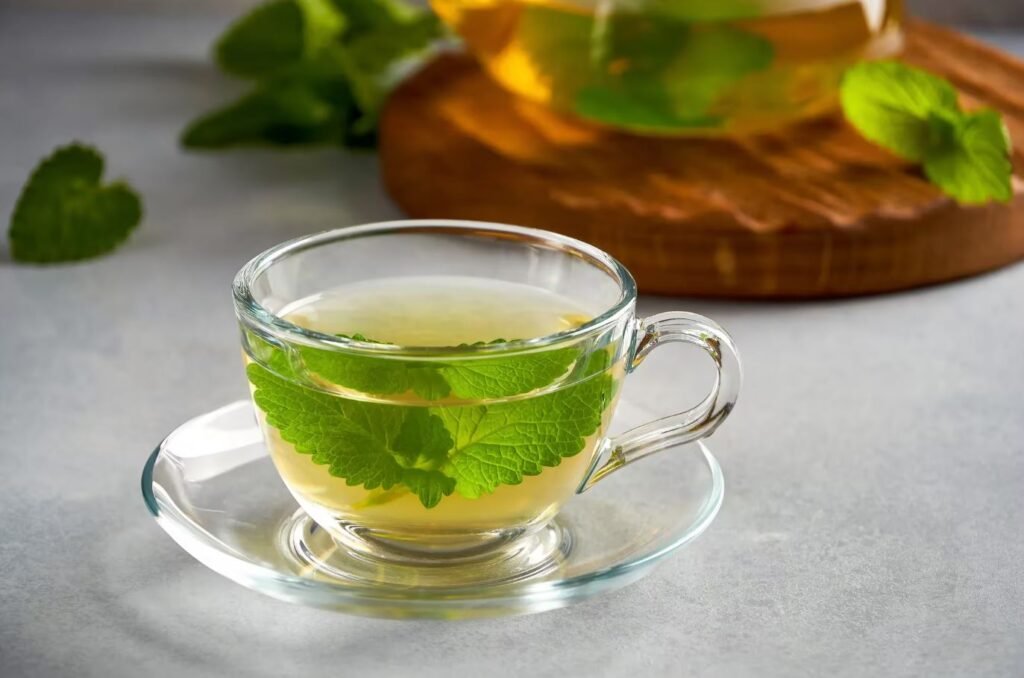
Tea is made using the leaves of lemon balm, which have a mild, lemony flavour. It will have enough power to brighten you up if you’re getting dragged, but won’t irritate inflammation. Lemon balm is used to help alleviate stress because it naturally relaxes one. Lemon balm also contains antioxidants, which provide a little assistance to the immune system. Some people use lemon balm as a loose-leaf tea every day for its medicinal benefits; others use it only when they have a cold. It’s a tea to serve throughout the day, which can relieve other symptoms, and the freshness of lemon helps to lighten the load.
11. Turmeric Tea
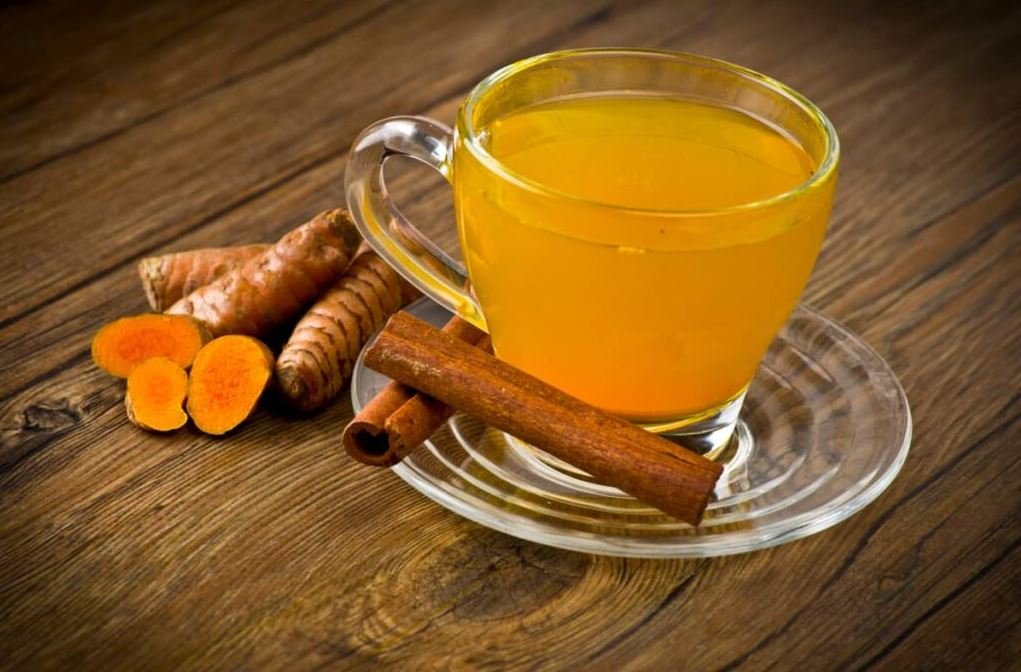
Turmeric tea is an anti-inflammatory and anti-purulent herb, which helps eliminate throat pain and swelling. Turmeric tea’s anti-inflammatory and antiseptic effects are also favourable for treating a sore throat. Curcumin in turmeric is very effective in preventing inflammation and soothing the throat. In addition, its antiseptic properties will be in its favor fights infections and therefore is a natural treatment of sore throat to go back in a sore throat. Turmeric tea tastes spicy, but it is extremely relaxing for a sore throat and can help relieve its irritation when taken slowly. Works well for long-lasting throat irritation that will not subside.
12. Marshmallow Root Tea
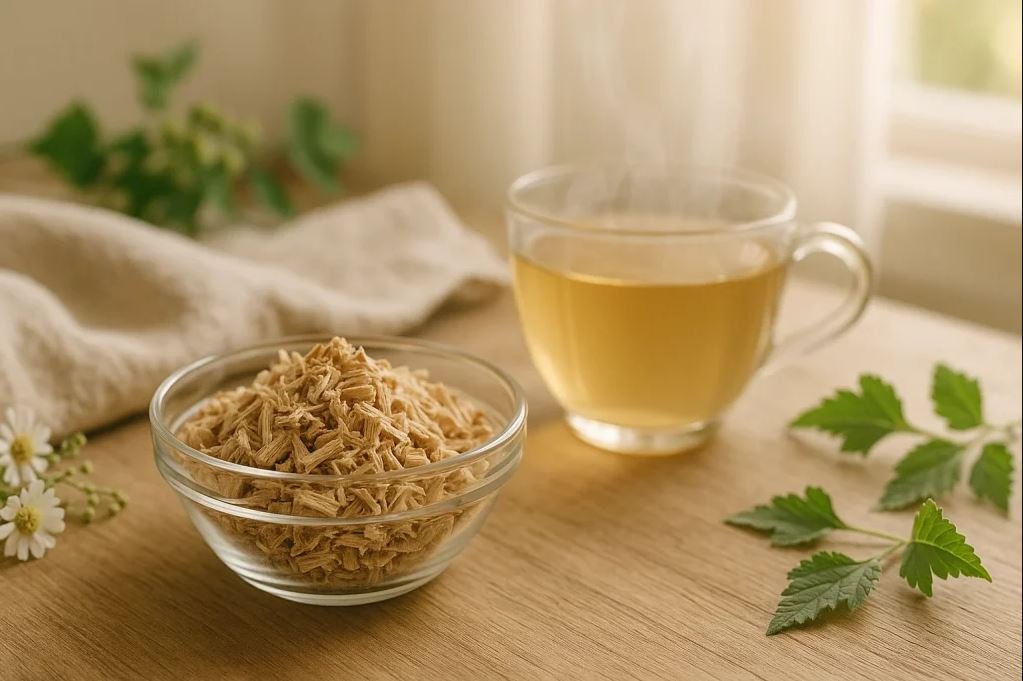
Marshmallow root has been used traditionally for home remedies for cough. This old medicinal herb has been found as a soothing herb in one German study, which indicated some ability to alleviate the irritation of dry cough, asthma, bronchitis, cough, and a common cold as well as sore throat. To aid in healing, it can be consumed in several cups a day. It has a mucilage that could have an effect that is calming on the respiratory system. If using other oral medicines, be careful of interaction with the mucilage.
13. Green Tea
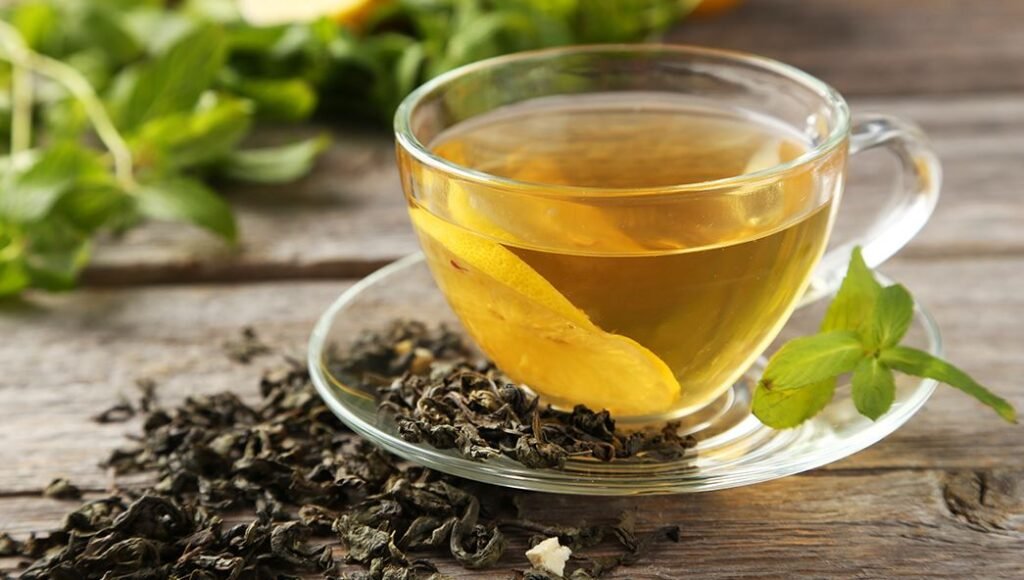
Is green tea good for a sore throat? Yes! With its high concentration of antioxidants and anti-inflammatory properties, green tea can relieve and calm the swelling in the throat. Green tea can also cure a sore throat; it may even alleviate infections and make it ideal to soothe and heal the sore throat. If you want a tea that is not too strong or has an excessive amount of free radicals, then green tea can be used.
Green tea could turn out to be bitter when brewed too hot or served for a longer period of time. Use water that is 160-180 degrees for green tea. They should be steeped for 1–3 minutes to achieve maximum flavour. Gargle with green tea, and take hot water. Cool the tea for a minute or two and gargle for 30 seconds to 1 minute before draining.
14. Cinnamon Tea for Sore Throat

Besides its flavorful nature, cinnamon has antimicrobial properties, and they are traditionally recommended for their comfort properties, which make cinnamon tea for sore throat a good seasonal remedy. It could also be beneficial in dealing with the growth of bacteria and reducing irritation. To begin with, the cinnamon stick needs to be boiled in water for 5 minutes. Use strain and drink after a few minutes when hot, or add honey to provide an additional soothing and comforting effect to a sore throat. Warm and calming flu benefits can be gained from winter drinking of this sweet-scented tea.
Read Next