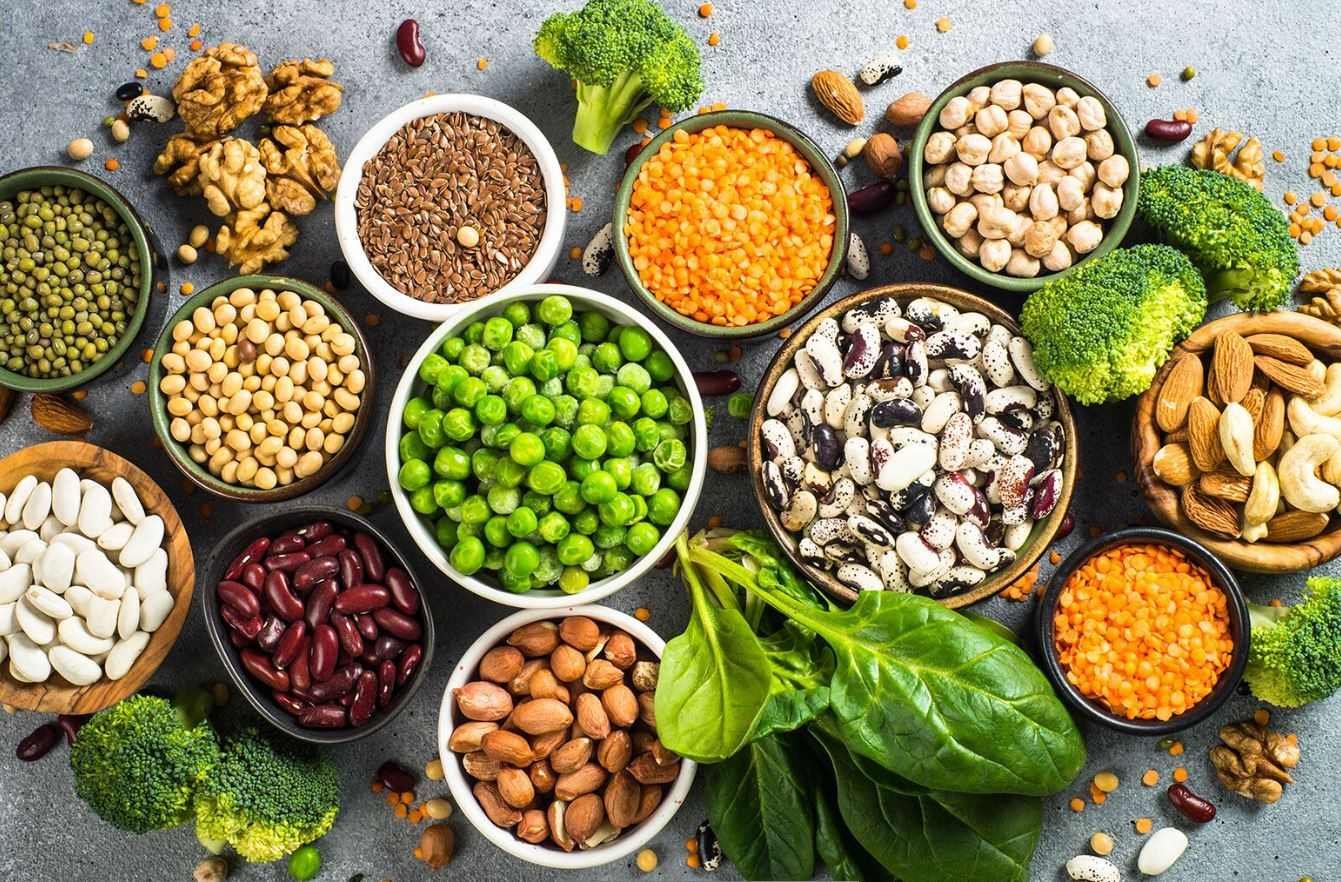
People typically think of only paneer or dal when they consider high protein vegetarian foods. But guess what? If you’re choosing vegetarian options, it is easy to get sufficient protein, as there is a vast array of vegetarian sources of protein at their disposal. The point is that diversity – that is, confining your diet to a single protein-rich food isn’t such an astute approach. Foods vary in their amino acid content, and a variety of foods provide complete nutrition. If you’re seeking the best meatless foods with a high protein content, you’ve arrived! The top vegetarian sources of protein will be provided in this blog.
Table of Contents
Vegetarian Sources of Protein
1. Chickpeas
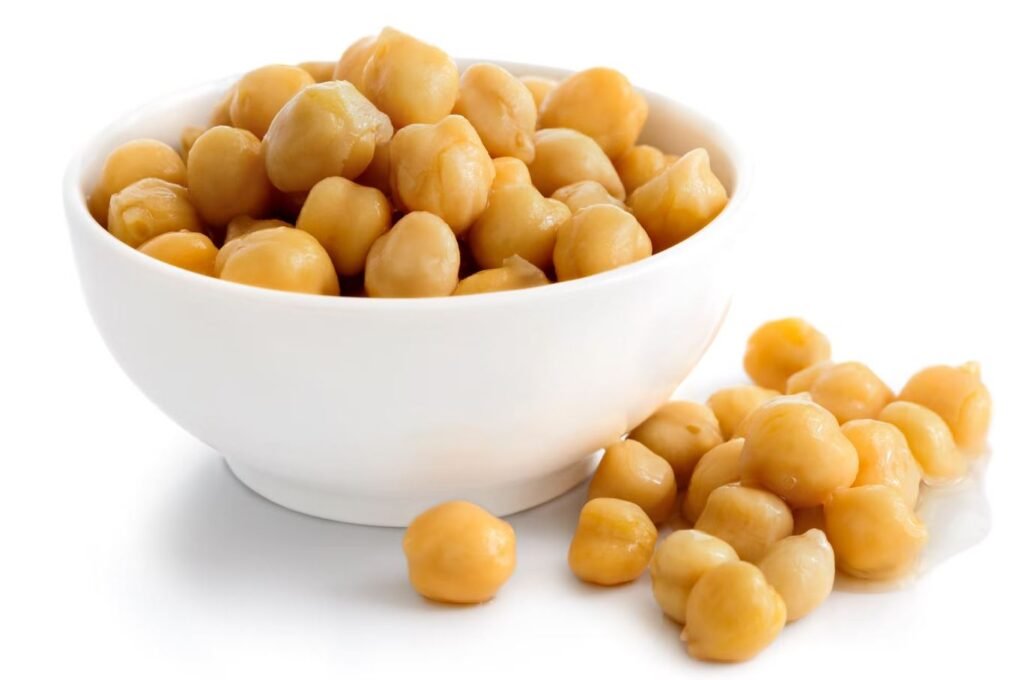
Another staple food in the pantry is chickpeas, a versatile and vegetarian sources of protein. They can be prepared as snacks or incorporated into salads and grain salads. They are delicious and do not taste too different from garlic and onions, so are readily used as part of a regular diet.
2. Tofu
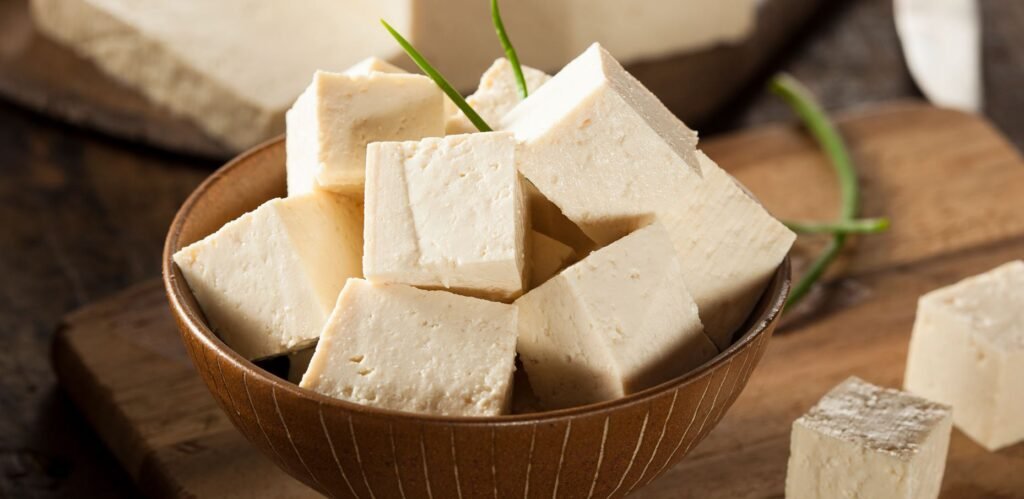
Though the production of Tofu has been practiced since over 2 000 years in Japan and China, it is gaining popularity in different countries recently. The De Pressed Soy Milk is commonly called ‘Bean Curd, ‘ which is the best use of all possible names for an ingredient that resembles pressed cheese. The protein content of 100g of tofu is 17g. Tofu is very similar to soy, but as a “nutrient-dense protein,”, is widely popular among vegans and vegetarians. Tofu is another favourite soy product like tempeh among the vegans and vegetarians for its high content of other essential nutrients too.
3. Lentils (Dal)
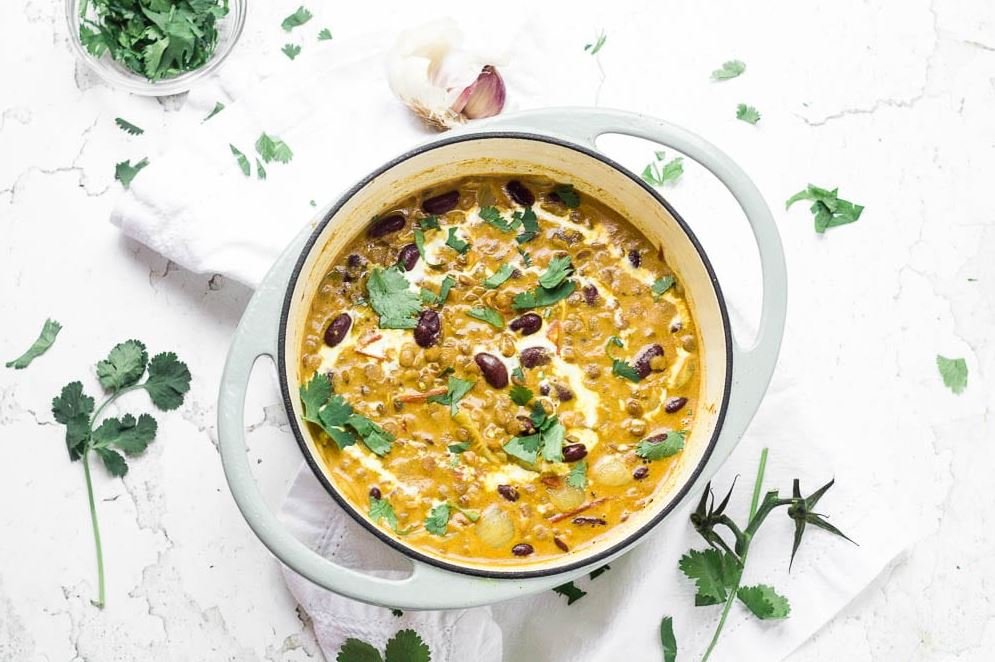
Some of the most popular and protein-rich dals that are consumed in India are urad dal and moong dal. Cooked dals are a very good source of plant based protein which consist on an average 7-9 grams per 100 grams. The more popular types of dhal which are used are moong dal, masoor dal, urad dal, toor dal and all are rich in nutrients and proteins.
Urad dal, for its protein rich constituents, is rightly regarded as rich while moong dal is good for the heart due to its ease of digestibility as well as versatility of uses. Serving these dals in the khічhasznی, in soups, daliya and curry is a wonderful idea to add dal to their daily food in a healthy and nutritious way.
4. Spinach
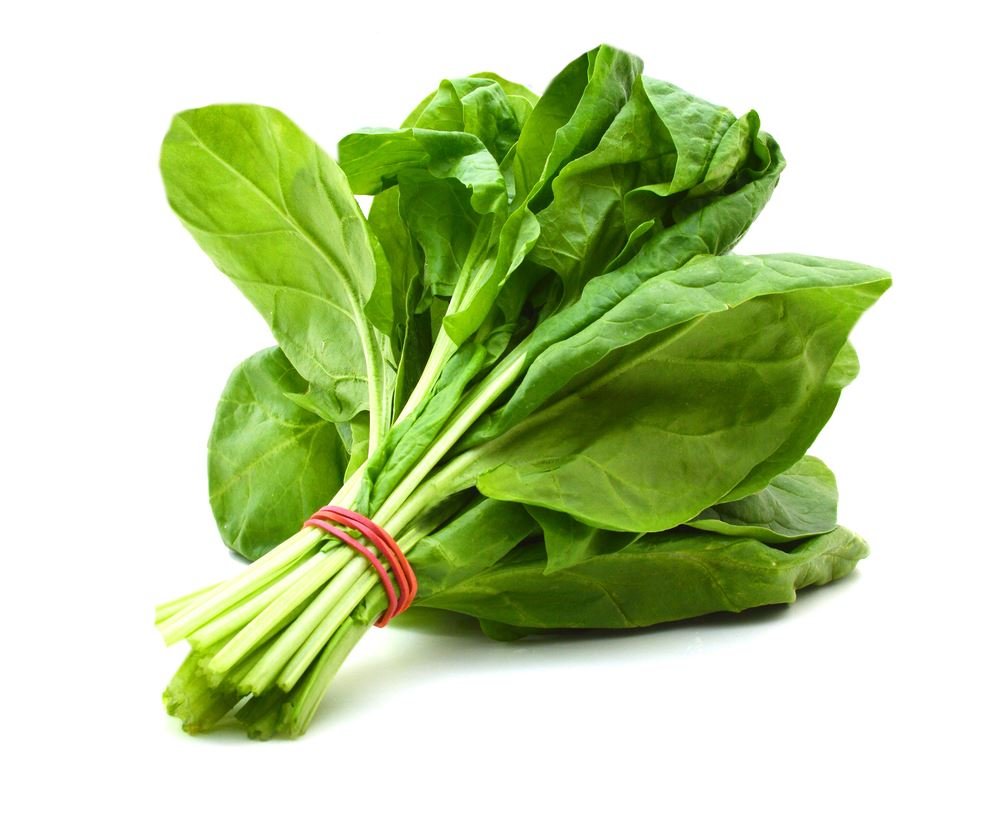
Any medium-sized midey of spinach is a refreshing Zen moment particularly when it is a “hot day in the South”. The best way to reap the rewards, though, is to cook and eat this leafy green. A cup of cooked spinach has 5.3 grams of protein. Other advantages are rich in Iron, Folic acid, Vitamin C, Vitamin K and Calcium.
5. Pistachio
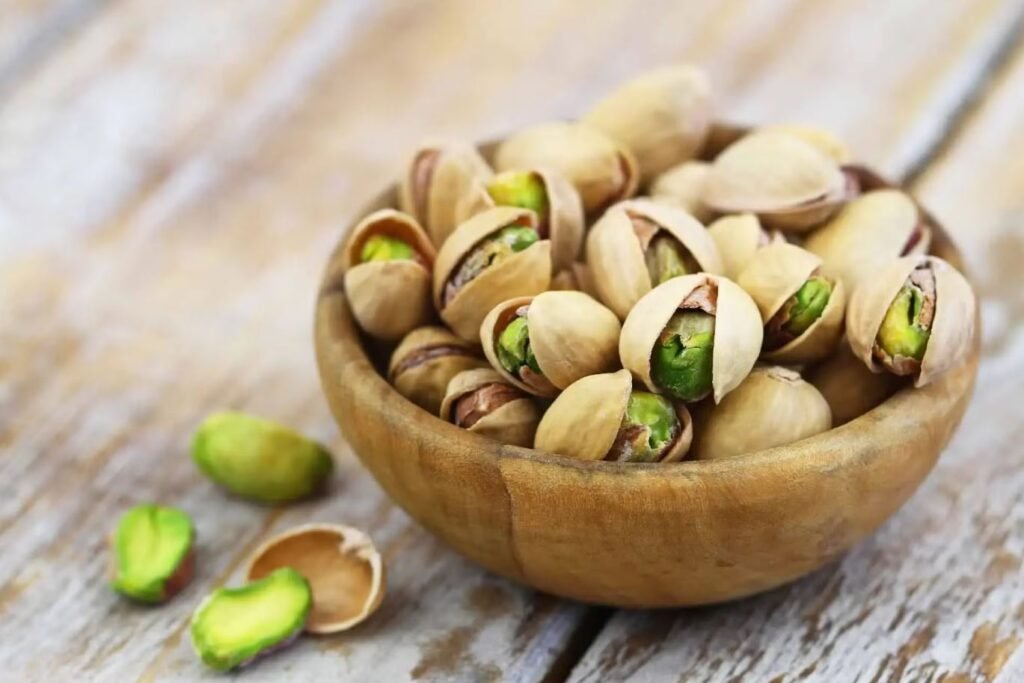
Pistachios make a tasty and healthy snack, containing approximately 6g of protein per handful of 30g. A very healthful nut and contains all of the essential amino acids in generous amounts, it does make your diet balanced. Many other nuts such as almonds, cashews and peanuts, contain about 5g or more of protein per each handful, which makes them a good choice as well. Psst! Peanuts are actually a kind of legume.
6. Legumes
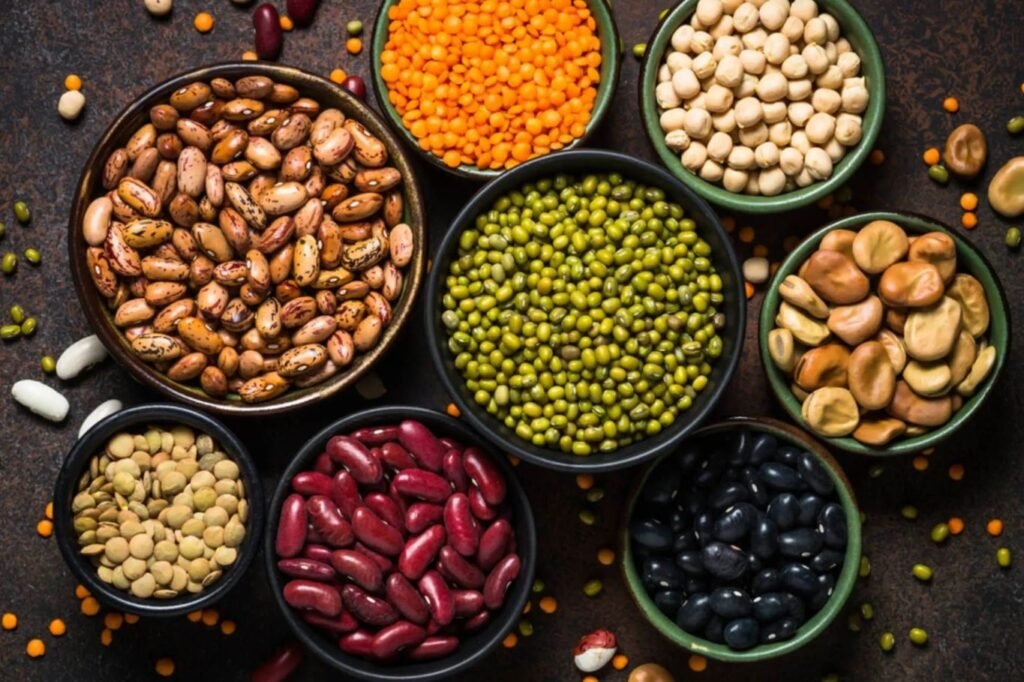
The legumes are the type of beans that encompass kidney beans, black beans, chickpeas among others which are widely regarded as a protein powerhouse. In addition to protein sources that ranges around 14 g per serving, there are lots of other minerals and elements in chick peas which can help make you healthy, strong and fit2. The same studies indicate clinical benefits of legumes in maintaining cholesterol levels as an integral part of a regular diet. Salads with chickpea or other legumes; and low-fat, low salt curries are all quality choices.
7. Soya
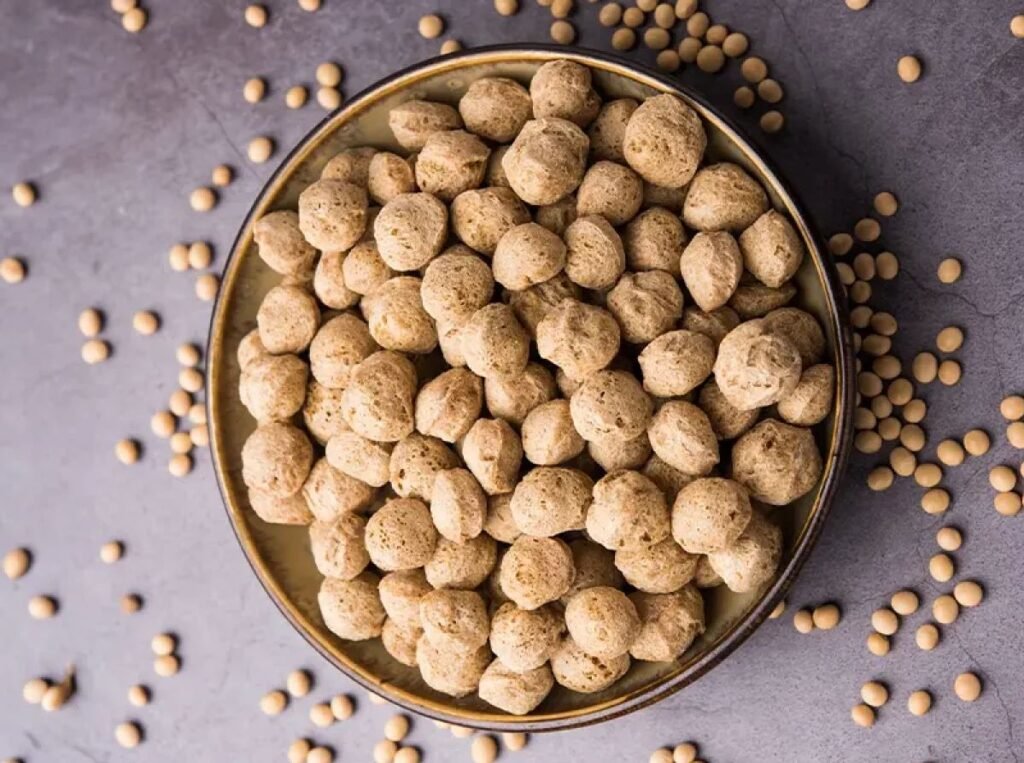
Soybeans are an amazing crop with a great diversity of applications, supplying high-quality vegetarian sources of protein. They can be used to make a variety of food products, including tofu, soy beverages/soy milk, miso, and tempeh. Soy milk curds are used to make tofu and it’s made in a few different consistencies such as silken, firm, and extra-firm, which is excellent for stir-fries, salads and many other recipes. The firm tofu has 8g protein/100g and the soybeans have 14g protein/100g. However, plant and animal proteins are digested differently, and soy is still a good alternative to meat products and of course is versatile.
8. Quinoa
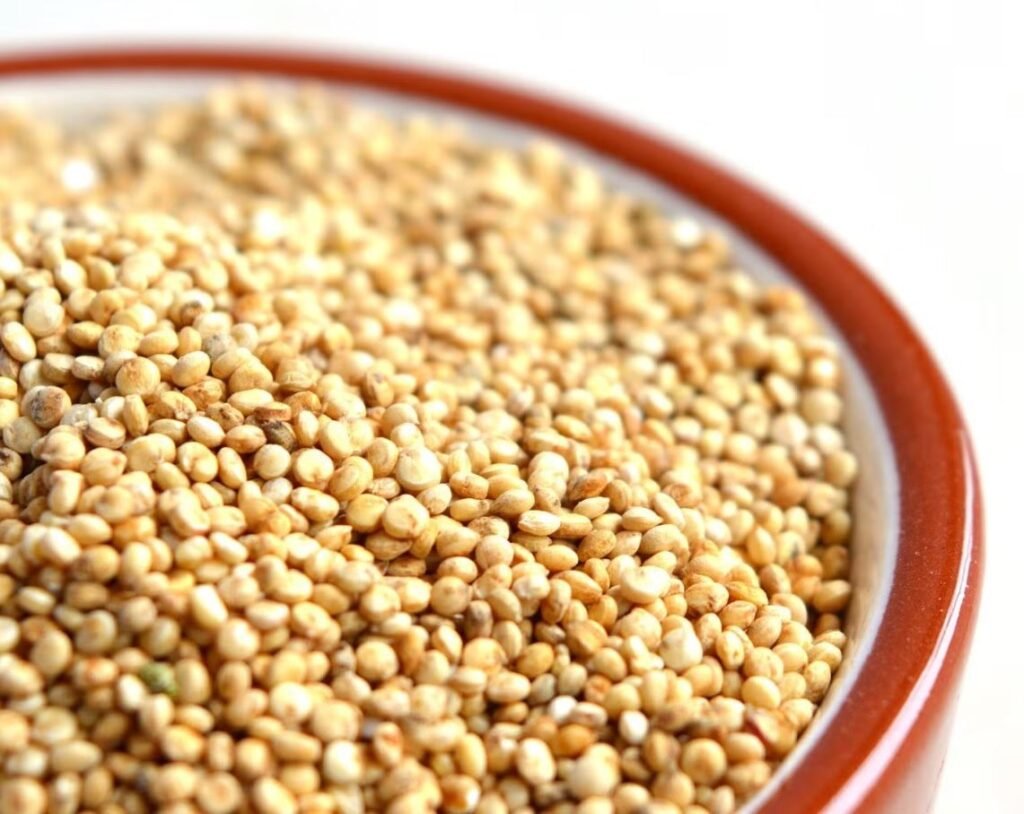
Vegetarians and vegans will love quinoa; it’s one of the best vegetarian sources of protein, and is rich in carbohydrates as well. Light and fluffy with a couscous-like texture, it will lend itself to any kind of dish such as a salad, casserole or breakfast bowl. Not only is quinoa versatile, is a rich source of so many different nutrients that are important and essential whole food, namely iron, fibre and magnesium. Around 14g of protein, 64g of carbs and 6g of fat per 100g of quinoa and thus quinoa is a suitable choice for a healthy meal due to its overall nutritional value.
9. Paneer
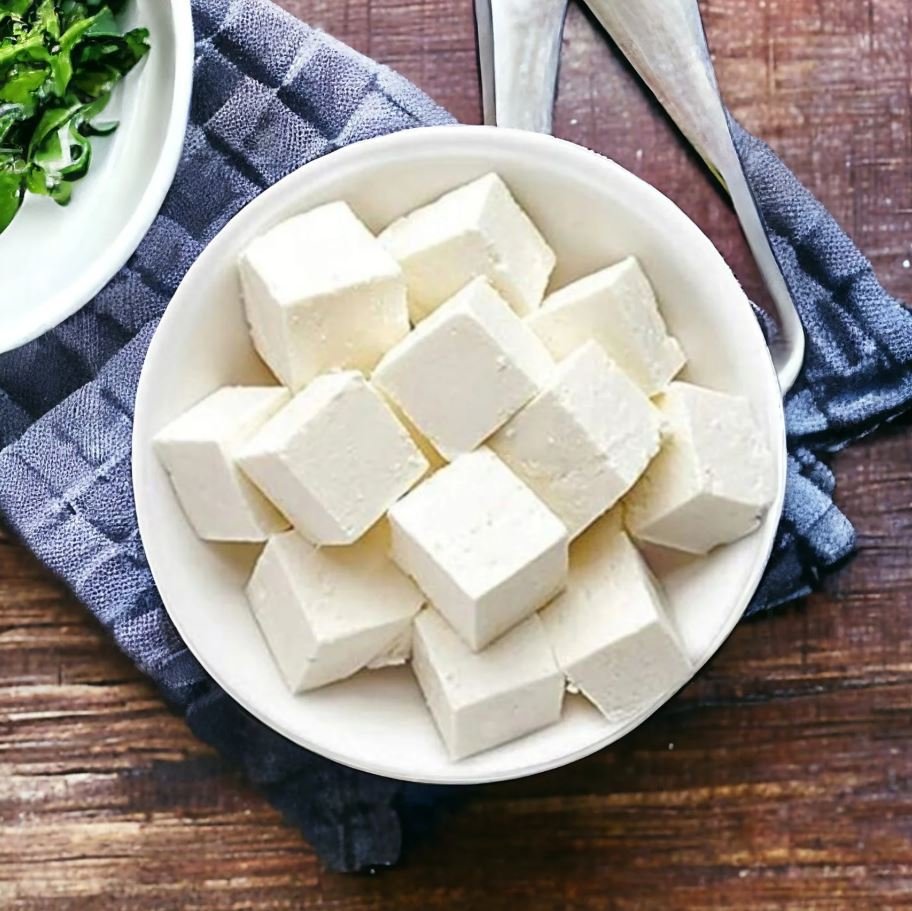
100g of paneer contains 18g to 9g of protein, and consuming 50 to 100 grams in a day provides you with a sufficient amount of protein. The amount of paneer just 100g provides almost half of the protein requirement for children aged 9-13 years. It might not be possible to eat paneer daily; however, eating paneer 2-3 times per week is an excellent method of getting your protein levels up. Serve it in a curry with palak or any seasonal vegetable or add to a sandwich or salad – hence ensure that there’s ample paneer in your fridge! Time required or paneer item content Chlorological protein calcium (On today the whole tenets vary)
10. Mushroom
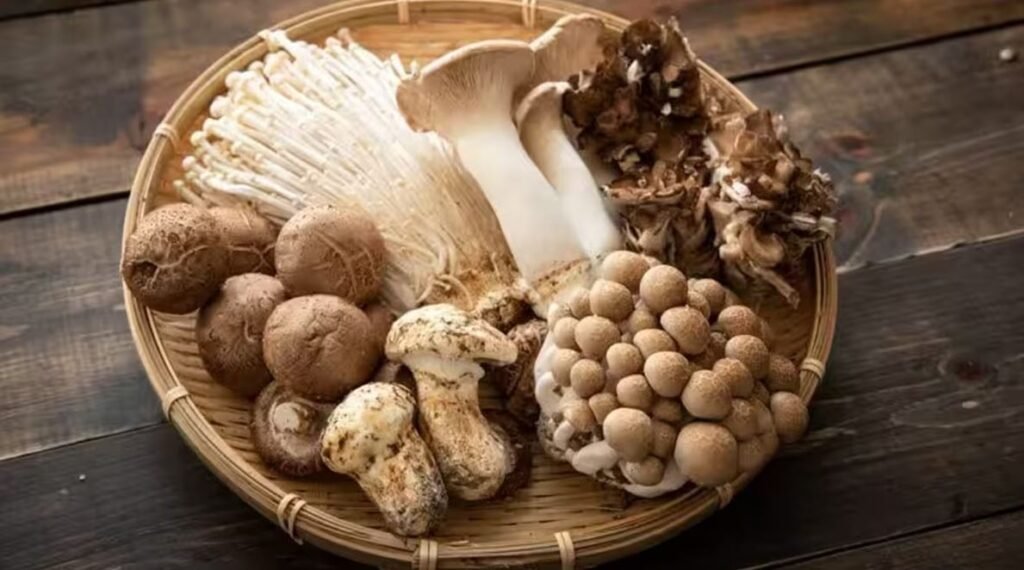
While the protein levels in mushrooms are not as high as in meat, they are adequate for a 1-year-old to a 2 year old child’s daily diet. Secondly, mushrooms are very nutritious. They are an excellent source of minerals and vitamins, have a good amount of fiber and are only lacking in protein. In fact, mushrooms also contain twice the amount of protein as many other vegetables.
11. Greek yogurt
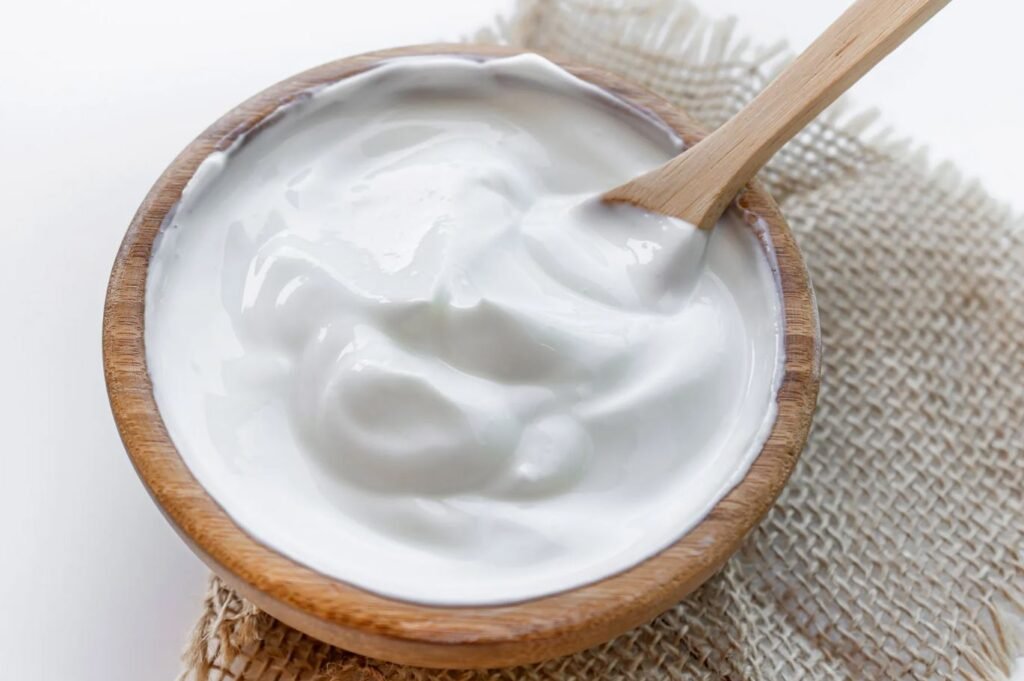
When snacking or eating the dessert for that matter, choose a dessert made with a Greek yogurt with little or no added sugar. A good use of canned is plain Greek yoghurt as this is naturally high in protein content and is a great way to add to fresh fruits for extra nutrition or flavour and fibre.
While many Greek yogurts are convenient single-serve sizes, take a moment to read the nutrition label—particularly flavored varieties which may have added sugars. Greek yogurt single serves (which are 5.3 ounces) contain about 15 grams of protein, which is the same amount as a single serve of cottage cheese, and they’re a just as satisfying as a single serve of cottage cheese, too.
12. Chia Seeds
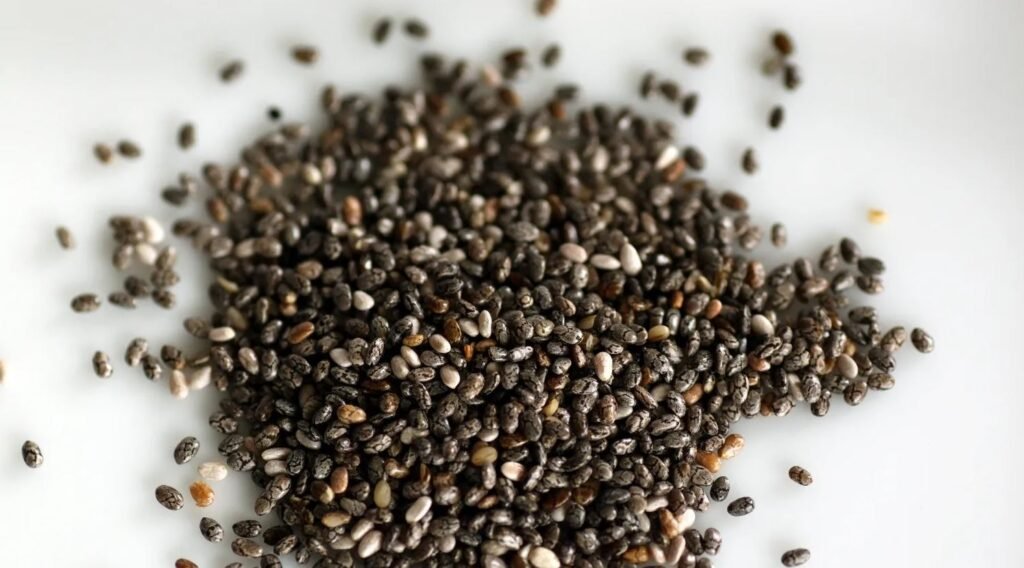
Small but with a lot of protein, fibre and omega-3 fatty acids, these seeds are leguminous. They have 5g of protein per 28g chia seeds and 10g of fibre per 28g of chia seeds. Enjoy as a healthy dessert on top of a yoghurt, oatmeal or a smoothie.
13. Hemp Seeds
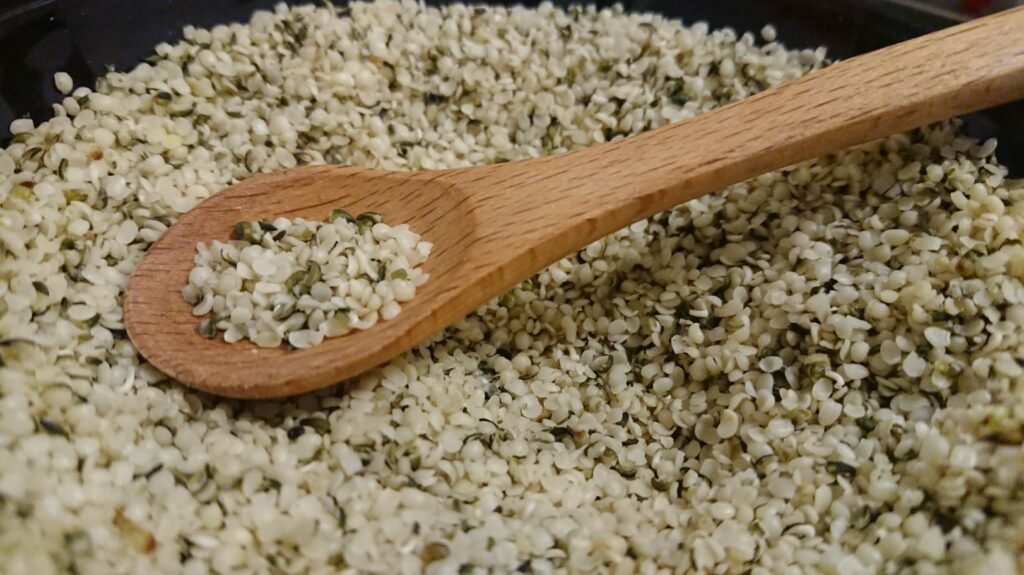
What’s best about hemp seeds is that they are a complete protein, with all the vital components that the body needs in order for it to operate normally. Just one ounce (28 grams) of hemp seeds has 10 grams of protein, even more than what you would get from an egg! There’s more, though. Hemp seeds are also rich in omega 3 fatty acids, keeping you healthy, away from diabetes and cancer. Great in smoothies, muesli or smoothie bowl mixtures when they’re mixed with fruit juice.
14. Cow’s Milk and Milk Products
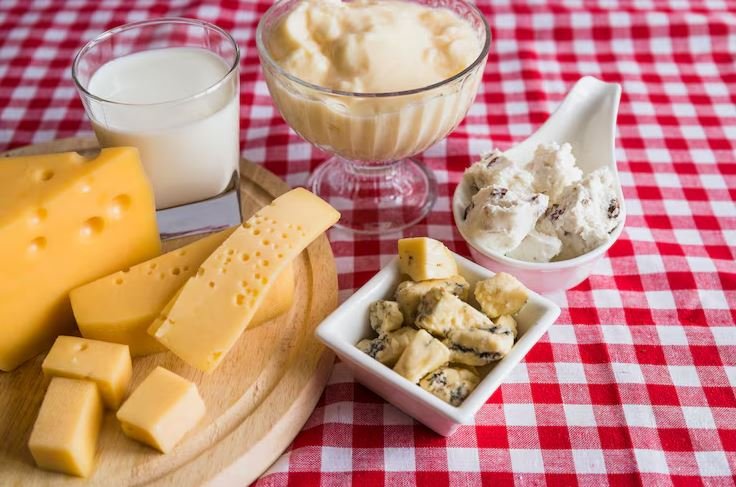
This is because cow’s milk is also rich in nutritional value and great to incorporate into a vegetarian diet that focuses on many sources of protein sources. It is higher in quality protein, calcium, phosphorus, CLA (conjugated linoleic acid), with less fat than buffalo’s milk. Some trainers advise against giving milk to their horses, but milk provides both whey and casein proteins and they are beneficial for muscle development. Fat, particularly from milk, is also essential, and CLA can be particularly effective at fat burning stomach fat. The amount of protein content in cow’s milk is approximately 3–4 g protein/100 ml.
15. Nuts
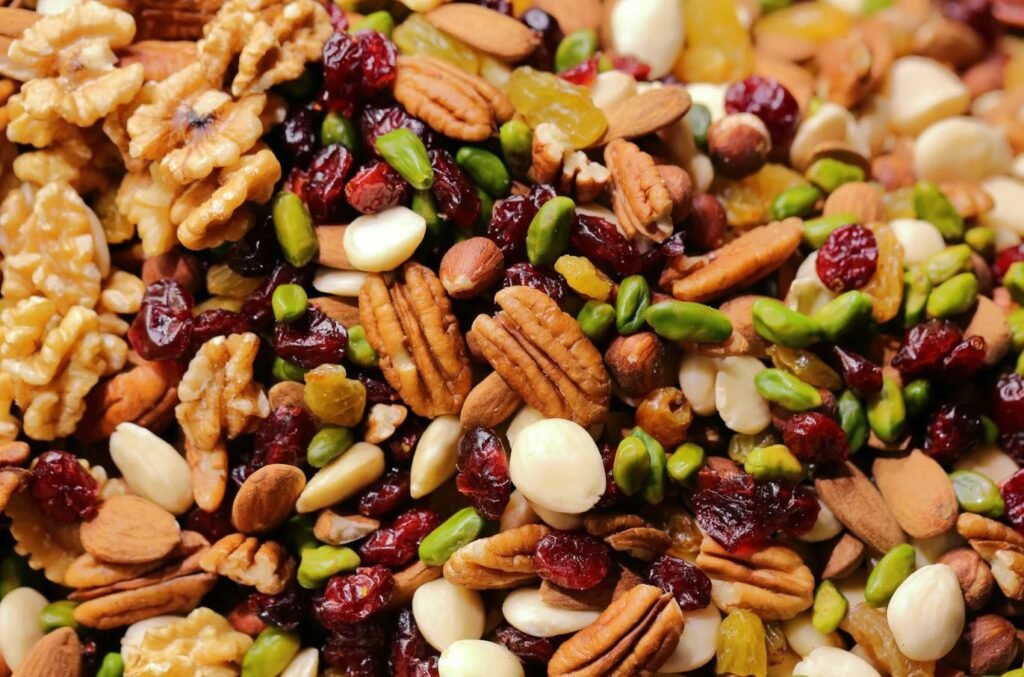
Nuts are high-protein, high-energy foods rich in nutrients and one of the best food choices for good health. In addition to proteins, they are a source of fibre, magnesium, vitamin E and other compounds which are essential for good health. The varieties have an assortment of growth habits: the almond, cashew, walnut, pistachio and pecan grow on a tree; peanuts grow under the ground and hazelnut in a bush. Nuts can also be a healthy snack or supplement to salads, soups, cereals, or protein bars, just as in any other type of vegetarian protein sources. The variety of nuts in the life provides health and lifestyle improvement.
16. Whole grains
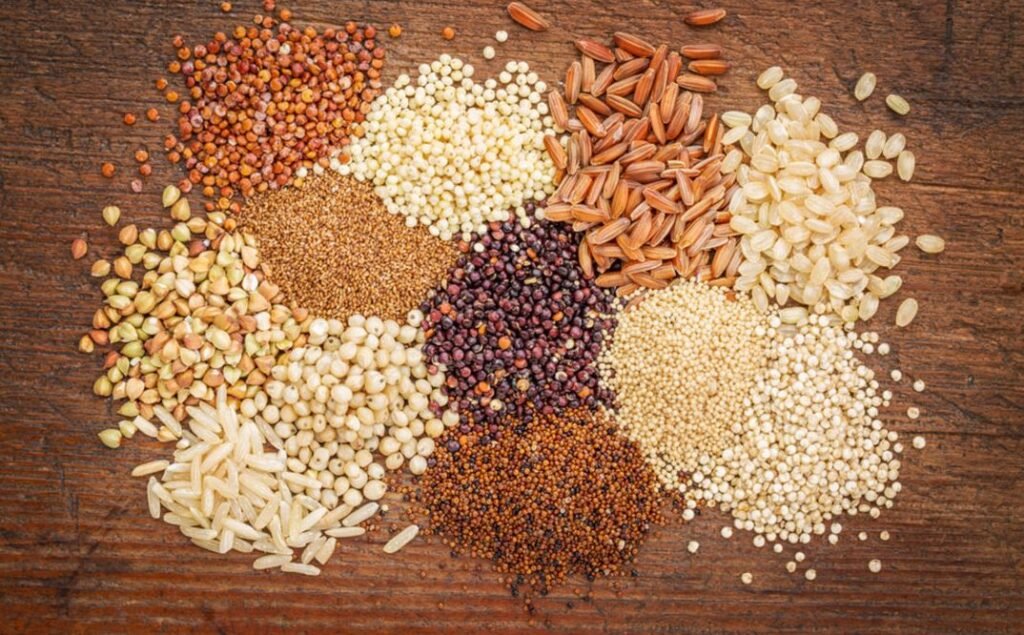
Protein is present in a good amount in cereals like oats, wheat and barley. Cooked Oats at breakfast is a healthy choice as they contain about 6 grams of protein sources.
17. Sweet corn
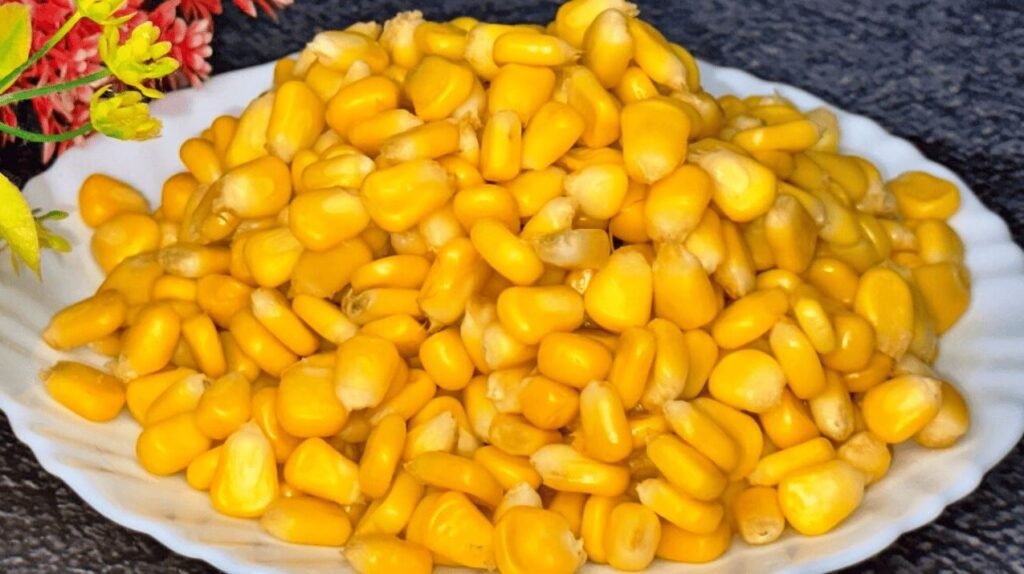
Whether you buy it at your local farmers’ market or grocery store, don’t pass by the sweet corn. A large ear of sweet yellow corn will provide about 4 grams of protein sources. While not as rich in fibre and other nutrients as some of the other vegetables listed here, it has antioxidants.
Read Next
Which Tea Is Best for Weight Loss?