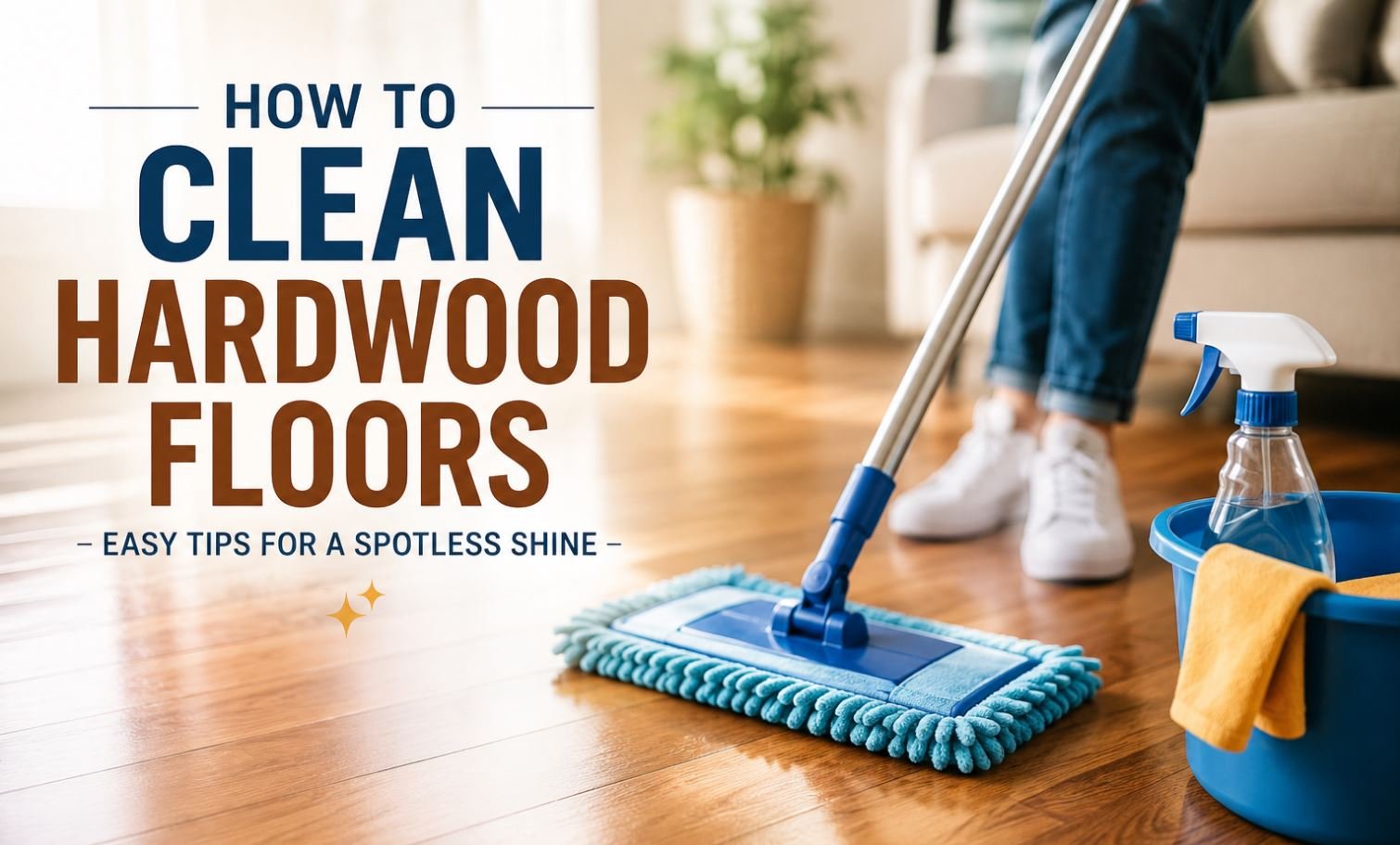
Hardwood floors are considered one of those timeless, elegant, warm and valuable options that add value to your home. They add a touch of beauty to any area, making it look quite warm and fancy at the same time and their presence is always appreciated. But no matter how hardwood is, it still needs care to retain its immacacy, strength and attractive look. However, if not cleaned properly, dust, dirt, spills and regular human traffic can eventually make your floor look dull and feed into the overall unappealing appearance of your flooring.
It’s essential to know how to clean hardwood floors in order to keep them beautiful and lasting. Whether it’s regular sweeping, dusting, or a more meticulous approach which can include specialized techniques like scrubbing or leaf blower vacuuming, different methods will impact the wood in different ways. The right techniques for cleaning can make a difference, ranging from routine sweeping and dusting to more complicated services that vacuum grime without harming the wood, like using a leaf blower or other specialized methods. The positive is that caring for a hardwood floor is not a difficult task. By using a few different tools and the correct cleaning method, you can virtually maintain your floor’s shine and cleanliness year-round.
Whether you’re looking for natural remedies, daily maintenance tips, deep cleaning solutions or items to avoid, this guide will provide you with everything you need to know about how to clean hardwood floors. From maintaining new hardwood floors to revitalizing old hardwood floors, this expert advice will help maintain your investment and keep your floors as beautiful as the day they’re installed.
Table of Contents
Understanding Your Hardwood Floors
Before you throw out your mop head and cleaning solution, it’s important to understand what type of hardwood floor you have in your home. The two most common types are solid hardwood and engineered hardwood, and each has its own set of peculiarities regarding maintenance and cleanliness. There’s more the finish, polyurethane or wax, on your floor, or whichever it is, is a major part of your cleaning process.
Polyurethane coated floor surfaces may require a small amount of moisture during cleaning, whereas wax-finished ones require dry or damp cleaning techniques to keep them shiny. When it comes to floor care, it is important you know your type and finish, as you would want to clean your floor efficiently, but also maintain its beauty and integrity for years to come. In addition, if maintained well, you can also benefit the health aspects of hardwood floors, which include reduced allergens and enhanced indoor air quality.
How to Clean Hardwood Floors
1. Sweep or dust your floors daily
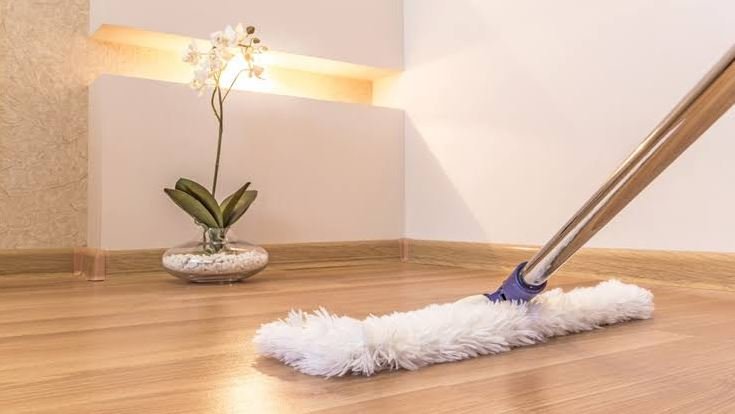
To quickly and easily maintain them throughout the day, dust them with a broom or a microfiber dustmop to remove dust, dirt and crumbs that build up as the day goes on. This will reduce the risk of any floors becoming scratched.
2. Damp Mop (Never Wet Mop)
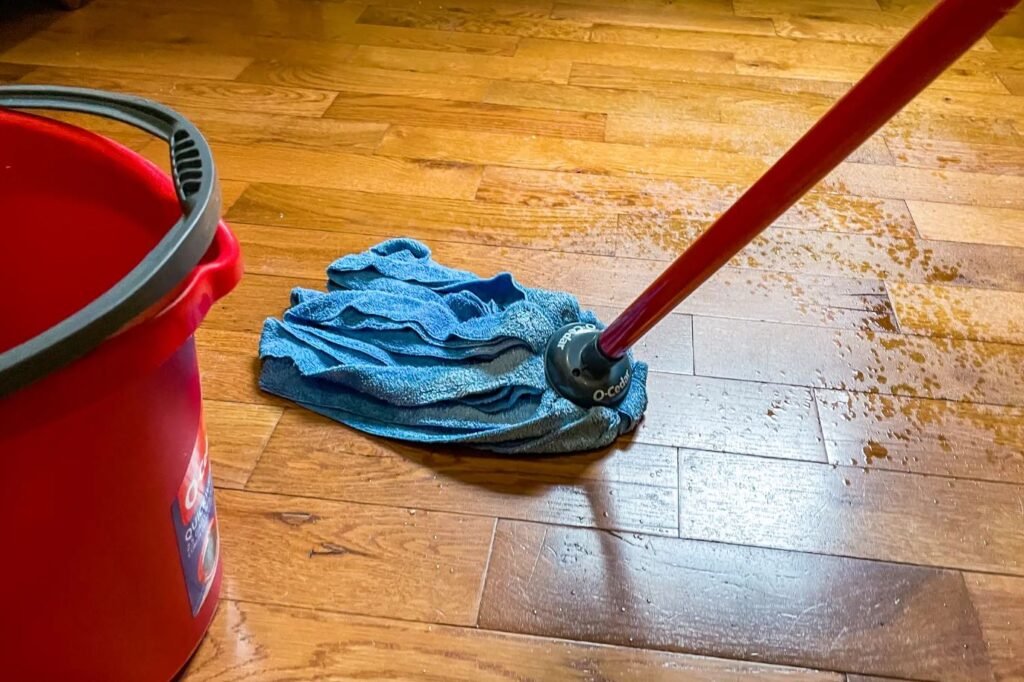
Using a pH neutral hardwood floor cleaning solution and a damp mop only is the safest way to clean hardwood floors. The mop needs to be slightly damp, but not dripping wet, or it will harm the wood. Don’t run large quantities of water over the surface, and dry in the direction of the wood grain to keep it natural looking. If necessary, have the floors cleaned, then let the floors air dry fully.
While engineered hardwoods are more moisture-resistant as solid wood floor options, engineered hardwoods won’t last long if left in standing, sustained moisture over a period of time, or placed on insulation. Although engineered hardwoods may be more moisture resistant than solid wood floor options, they are not immune from moisture over a long period of time, such as when they are left in water, or when they are placed over insulation.
3. Mild Wood Floor Cleaner
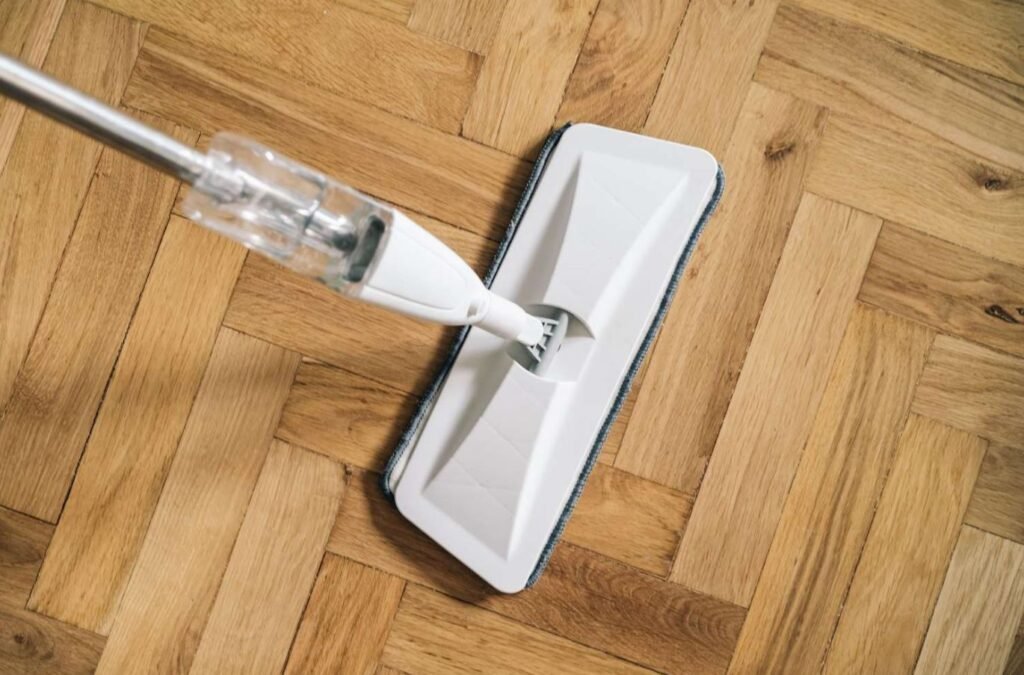
When cleaning wood floors, it’s important to avoid generic or all-purpose cleaning products that may contain harsh chemicals capable of damaging the finish. Instead, use a neutral mild detergent or a special hardwood floor cleaner. Cleaning up with these special products is even more effective and you still don’t remove the natural glaze and value of the wood.
Always read the product label carefully to make sure that the product is safe to use. with all the various cleaners to choose from, selecting the right one is one of the best ways to help preserve your floor’s look for years to come and prevent any chemical damage.
4. Deep Cleaning with a Vinegar Solution
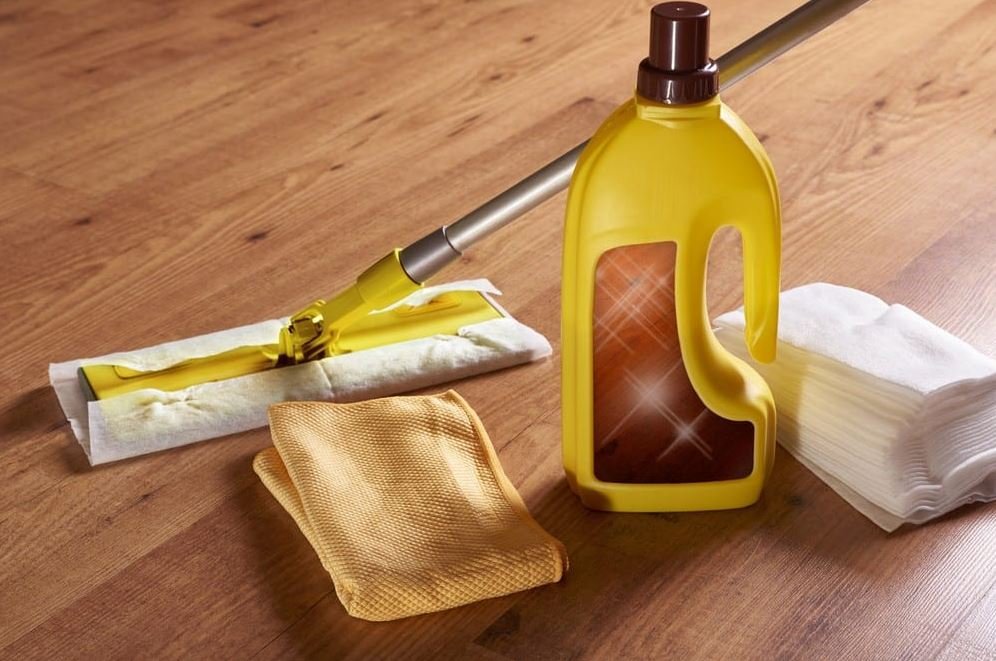
A vinegar solution is great for getting rid of all sorts of light traffic and kitchen grease, salty footprints and mineral residue from wet weather, for a deeper clean. This is as easy as combining ½ cup (120 mL) of white vinegar with 1 gallon (3.8 l) of water before transferring to the spray bottle to use.
Say to assistant to wet a little area of the floor with a little mist and use the microfiber mop head to wipe it. After cleaning, promptly buff with a clean soft buffing cloth to avoid any streaks or natural shininess being removed from the floor. Though gentle, it is effective to help maintain fresh surrounding floors without the need to use harsh chemicals.
5. Seasonal Care
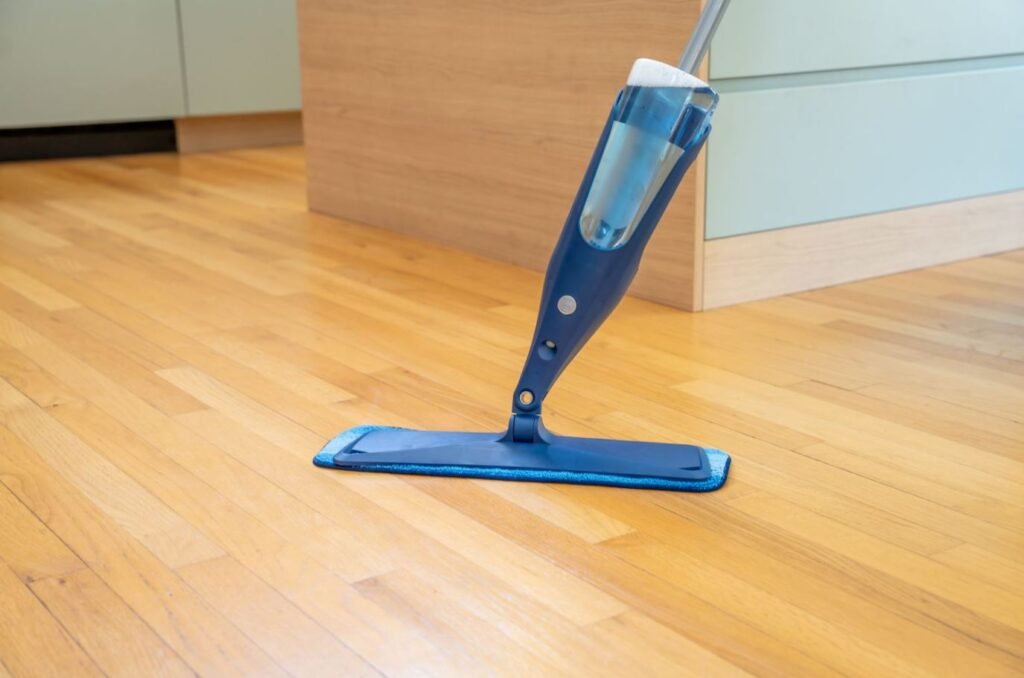
It is recommended to periodically apply a liquid polish to safeguard your wood floors. By giving your floors a protective barrier, Polishes will ward off any scuffs, scratches or other wear and tear, and extend the life of your floors. Polishing can be utilised on all floors (whether or not they are naturally shiny) and can be used to “facelift” them, subject to traffic & preference. Quick Shine polishes are the only polishes awarded by the Safer Choice Certification and are safer for kids, pets and the environment.
How to clean common stains from hardwood floors
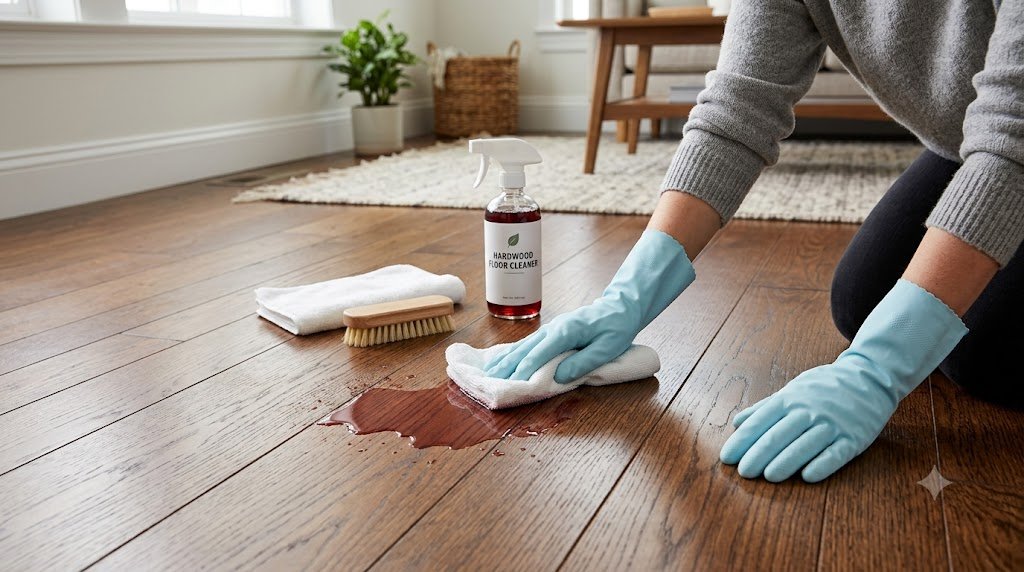
Dark spots and pet stains
Dark spots, particularly dark pet accident spots, can be difficult to remove. As initial treatment, use a water/vinegar solution and apply it with a rag to the stain. When stains do not clear, use a wood cleaner specifically designed for these stains, following the manufacturer’s directions. When finished, wash with a damp cloth.
Heel marks
Marks on the heels, which can be caused by shoes or minor scuffs, can be an eyesore. The solution for these is to gently rub the floor wax with fine steel wool so as the floor wax diluted and eliminated.
Scuff marks
An easy solution can deal with scratches, particularly caused by furniture spots, or by the wear and tear of daily use. Use a sock or a clean, unfuzzy tennis ball to buff out light scuffs. If the mark is still there, give the scuff a rub with a damp sponge and baking soda to get rid of the mark. Always use wet paper towel and buff dry.
Oil-based stains
Oil-based stains such as those caused by food spills, lotions, etc. need another level of care. Firstly, use a soft fabric and dish soap to soak and remove grease from the area. Rinse off with clean water. Repeat if stain is not removed. Take care to keep it clean, free of any residues and dry.
Watermarks or white stains
Hardwood floors can develop a white film when watermarks accidentally get on the floor, usually from spills or glasses. To overcome these levels, rub the spot with its gentle wood cleaner. If stain penetrates beyond the surface, gently sand the surface of the floor and then wipe with the mild cleaning solution and soft cloth.
Common Mistakes to Avoid When Cleaning Hardwood Floors Naturally
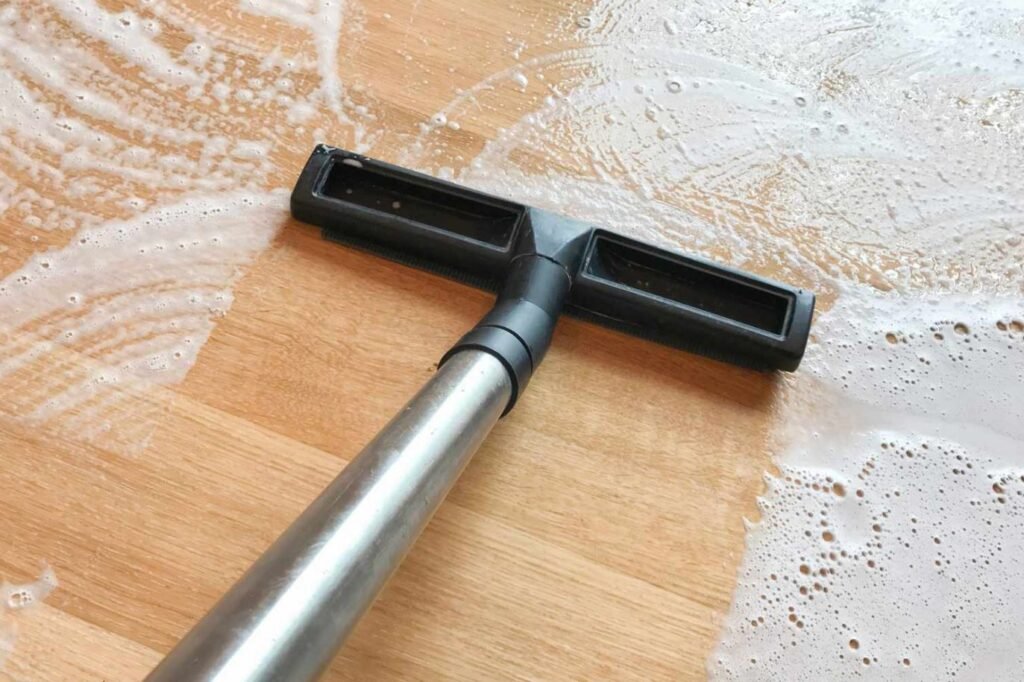
Using too much water
When the moisture content is overly high, it can cause warping, cupping and swelling. Always use a damp microfiber mop; dry floor immediately.
Using abrasive tools
All scratches in surface caused by rough scrub pads and stiff brushes. Only use soft cloths and microfiber mops.
Applying undiluted vinegar
Vinegar is an acid and contains significant levels of it that will damage finishes. Do not use on unsealed or waxed hardwood floors.
Assuming natural cleaners disinfect
Cleaning with vinegar and essential oils will not kill germs and is not an EPA-registered disinfectant.
Letting dirt accumulate
With age, dust and grit can scratch the hardwood floor. Clean the area frequently to reduce build up, by sweeping or vacuuming.
Using too many essential oils
If too much oil is used, there may be a residue that will hold dirt and will make floors slip.
FAQs: How to Clean Hardwood Floors
1. How often should I clean hardwood floors?
Hardwood floors should be dust mopped or dusted every day and deep cleaned each week or as necessary.
2. Can I use vinegar to clean hardwood floors?
Yes, but always mixing vinegar with water. DO NOT use on unsealed or waxed hardwood floors.
3. Is it safe to use water on hardwood floors?
Damp and not wet mop used. Too much water can lead to warping, swelling and wood damage.
4. What is the best tool for cleaning hardwood floors?
Microfiber mops are useful as they will pick up dust and dirt without damaging the surface of the counters.
5. How can I keep hardwood floors shiny?
To keep their natural shine, they need to be swept on a regular basis, quickly cleaned up if spilled, and based as needed upon the spill, polished with a hardwood safe product.
Read Next